

By Terry Sherwood
There is something wonderfully appropriate about Hammer helping bring Ithaqua to the screen. The legendary British horror company is associated with Gothic castles, ancient curses, monsters and practical blood-and-gore effects, but this picture takes that tradition somewhere Hammer has rarely gone before: a wilderness setting with exception of The Abominable Snowman and work set in Colonial India or those jungle war films you have the frozen Canadian tundra.
The name Ithaqua first appeared in Derleth’s 1933 story “The Thing That Walked on the Wind.” Derleth based the creature partly on the Wendigo traditions but transformed the concept into a cosmic-horror monster in the Lovecraftian tradition.
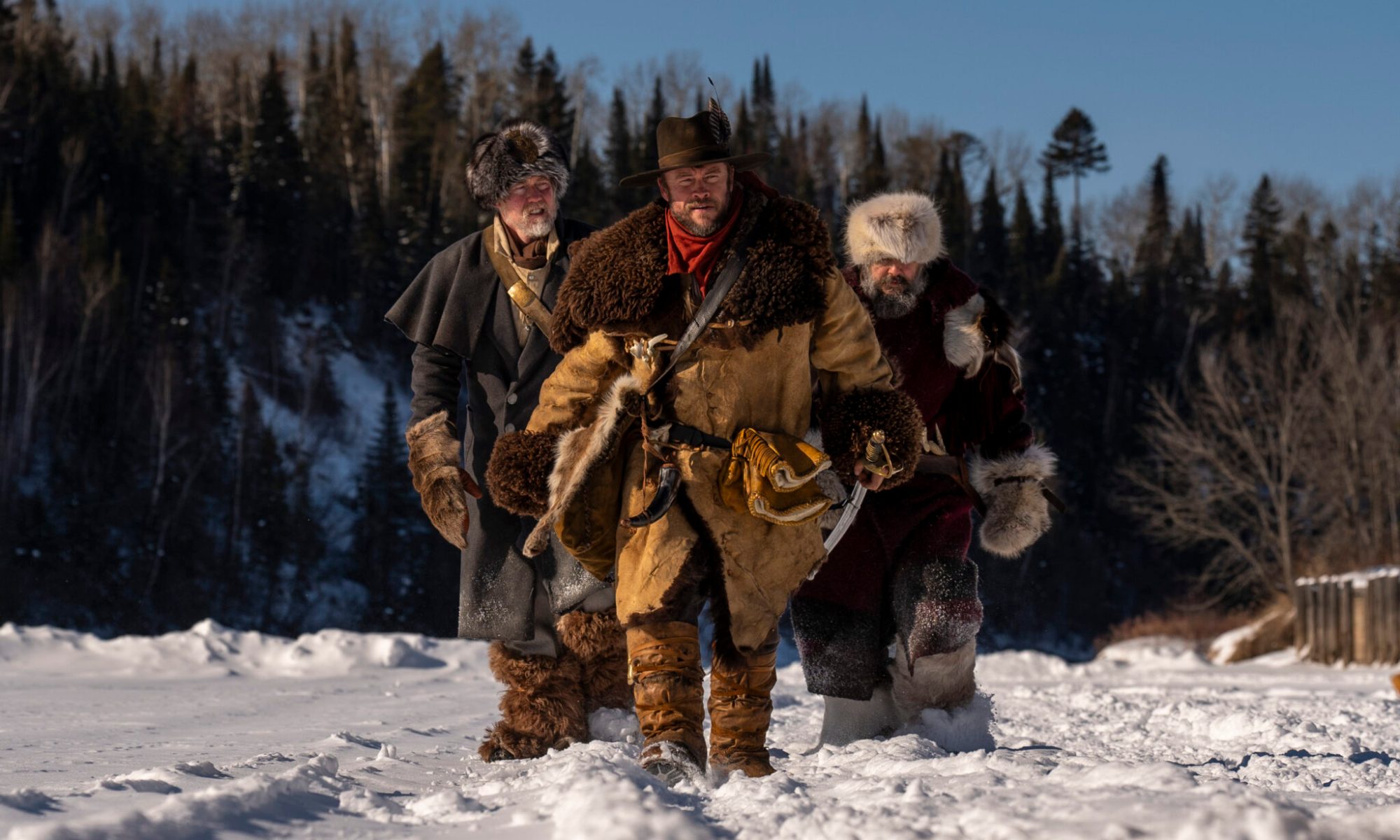
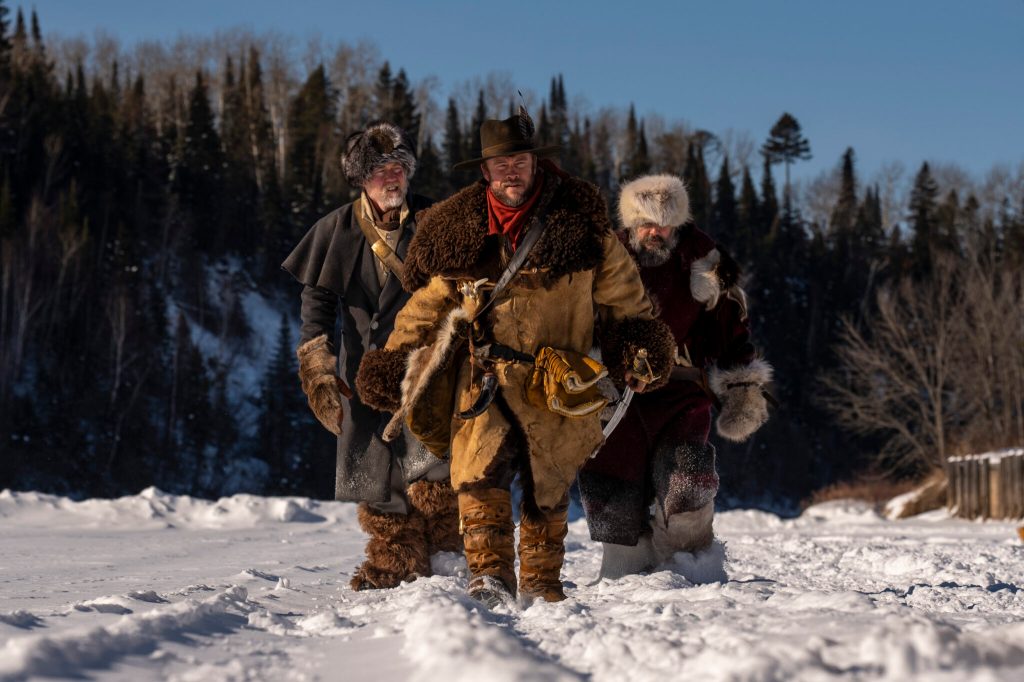
Co-produced by Hammer Film Productions, Ithaqua is Wendigo folk horror, set in 1821 at the Northern out post of Fort Thomas during a decline of the fur trade. Director Casey Walker, working with co-writers Pascal Trottier and Mi’gmaq writer Peter Scott Vicaire, creates a film where the historical environment is every bit as important as the supernatural one. Filmed in and around Thunder Bay, Ontario using accurate sites and land.
The outpost people are starving. American hunter and former soldier Cole Franklin (Luke Hemsworth) cannot find enough game for which he was hired to do to keep it’s the larders filled. Company operator McKellar played by the unrecognizable Michael Pitt becomes increasingly desperate to maintain his authority, while British soldier Lt. Walker (Kevin Durand) struggles to keep order and maintain his idea of civilization. Outside the fort are the First Nations people who understand that something much older and more dangerous has returned to the wilderness. Eaten of dismembered body pile up at various times even when help is sought. Something is happening around them.
The film draws upon the often filmed and written about Wendigo tradition while also incorporating H.P. Lovecraft’s Ithaqua, creating a creature that belongs simultaneously to Canadian folk horror and cosmic horror. But the Wendigo is not simply used as another horror-movie monster. The filmmakers make a serious effort to treat First Nations perspectives with respect, particularly through Vicaire’s contribution to the screenplay and use of language and ritual performed by the people in time honoured tradition.
Pamela Matthews’ as the female elder Nokomis is effective as a warning voice. She understands what is happening while the people inside the walls are consumed by fear, greed and hunger. Startling moment with a bow and arrow used against Mara Pasley who plays a young girl on the fort who is believed to have become infected. Her niece Ahnung played by Leenah Robinson similarly acts as a bridge between the first nations and White world though her relationship with American Cole Franklin. Ahung also is not your ‘Final Girl’, she fights and battles the beasts on her own like a warrior that she is. The use of English, French and Ojibwe Cree languages and symbols naturally by all the cast reinforces the historical specificity of the setting.
That cultural grounding is important because the movie’s central metaphor is unmistakable. The fur traders have consumed the land’s resources until there is almost nothing left. The beaver population has been devastated, the animals have disappeared and the outpost is now starving. The people who have taken from the land now find themselves unable to survive without taking even more. The Wendigo therefore becomes a particularly potent image of insatiable consumption and spiritual protector of the natural world that the First Nations honour today
The movie does not simply say that a monster is attacking the settlers. It suggests that the conditions for the monster’s return have been created by human behavior. These are articulate monsters who organize a feast for the hunger outpost people all with a twist that is beautifully photographed.
There are some fascinating cinematic relatives. Another Canadian film Ginger Snaps back: The Beginning is the third in a series often overshadowed by the first Ginger Snaps with its creature theme set in similar time of British rule has literally walk the same territory. Both films transform the wilderness and an earlier historical period into Gothic spaces where civilization feels extremely fragile. 30 Days of Night with vampires in the snow at in Arctic night and those that battle them with resources available walk hand in claw to this film.
The Hammer connection also makes the practical effects particularly satisfying. The creature work from Daniel Carrasco and the makeup and prosthetic teams gives Ithaqua a physical presence that modern CGI-heavy horror sometimes lacks. There is slime, transformation, mutilation and plenty of wonderfully unpleasant practical gore. Hammer influence in some situations with one of the creatures being stakes by a tree after falling from a roof like the ending of Dracula has Risen from the Grave. That film as well shows up with unfortunate use of rope to dispatch a creature like the opening bell sequence. Momentary shot of heels of a victim being dragged out of frame recalls a grave robbing moment from The Evil of Frankenstein
The cast helps enormously. Luke Hemsworth gives Cole Franklin the weary gravel voiced quality of a man attempting to escape his violent past caught in something he does not understand. Kevin Durand brings his considerable screen presence to Lt. Walker with his proper British aristocracy of the officer corps that maintain civilization. Michael Pitt makes his McKellar an increasingly repellent figure as his desperation turns into cruelty. Tasty dialogue, character movement, delightful almost drawing room humour are a highlight. The McKeller name maybe a homage to Canadian Actor Don McKeller or historic one time major of Thunder Bay John McKeller where this was filmed. Craig Lauzon’s Nicolette provides humor early on, making the disappearance and reappearance of that humor later in the film an effective indication of just how bad things have become with his coughing and passing blood in the snow.
David La Haye as the French-Canadian trapper has some wonderful rustic lines and looks. It is unfortunate a times he lapses into the typical guttural laugh and manners of what Hollywood thinks a French-Canadian person sounds like. These men drink all the time and eat very little plus are perpetually cold even in the interiors making this a very bleak film.
After establishing such an interesting mythology surrounding hunger, colonial exploitation, supernatural death and the Wendigo, the conclusion edges toward a more conventional solution like the controversial shots near the end of 1957’s Curse of the Demon. This was well done but it was inserted due to studio demand taking way the ambiguity. Certain Red Eyes, the snow-covered landscape, silent figure of a child is all add to the thrills.
Still, Ithaqua is an intriguing addition to both Canadian horror and the Hammer tradition. It takes the company’s familiar Gothic vocabulary—monsters, curses, blood, transformation—and plants it firmly in the Canadian wilderness. The result is a Western Gothic nightmare with snow instead of castles, a fur-trading fort instead of a Transylvanian manor and a monster born from hunger rather than merely resurrected from an ancient tomb.
Ithaqua screened as part of Grimmfest 2026.

