

By Terry Sherwood
The psychological horror short Void, written and directed by Javier Cano Larumbe is drawn directly from the director’s childhood experience of navigating his parents’ divorce, the film transforms memory into a a parable of childhood fear, isolation, and the inner world of a child struggling to be heard. Film Noir with the 1949 picture The Window a claustrophobic film about a child who sees a murder at night in an apartment, and no one believes him. Genre films like the original Invaders from Mars and hints of 2014 release The Babadook have tread the same path of trauma and supernatural revenge
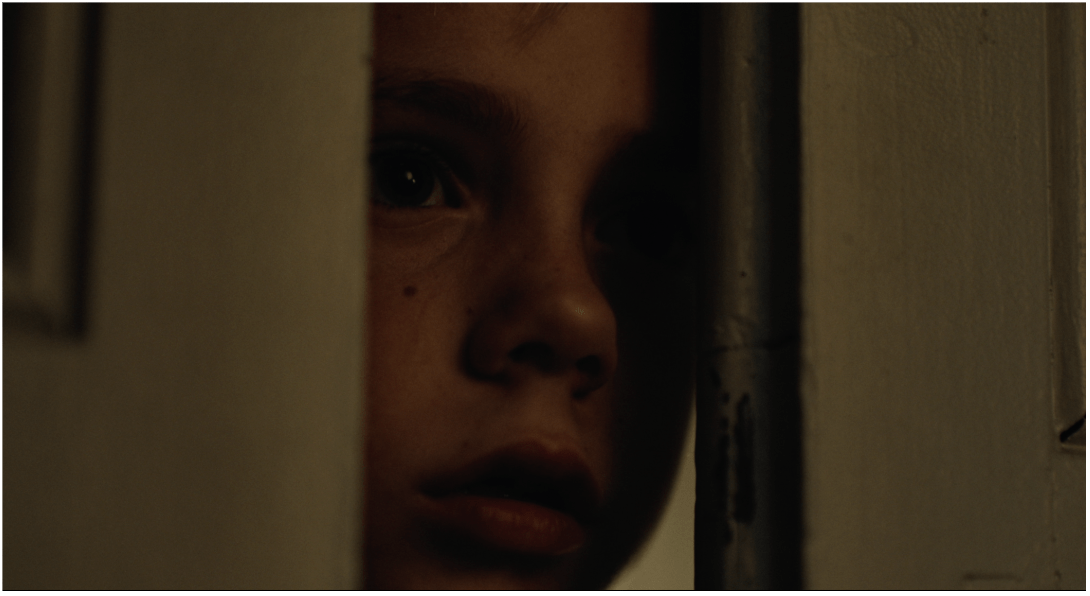
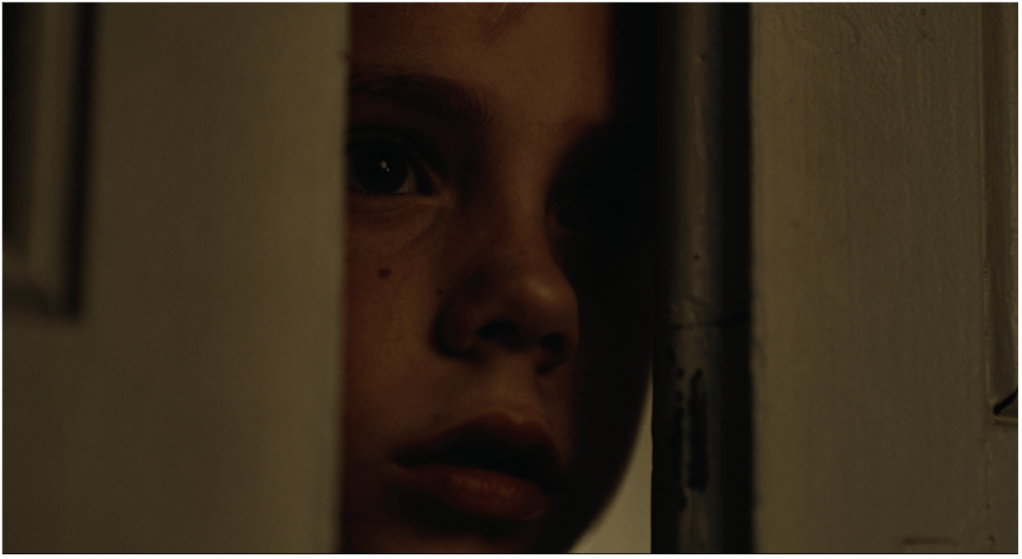
Void follows eight-year-old Félix, a boy who becomes convinced that a sinister presence has taken hold in his home. While the adults around him remain distracted in the throes of relationship breakup and unaware, Félix is left to confront a darkness that eventually influences all that’s around it . What begins as a fear of the dark evolves into something like the illustrations in The Babadook.
At its core, the film examines the disconnect between children and adults in moments of upheaval. How they are left out either through neglect or being thought of as not understanding what is happening when they do. Through the lens of horror, the work explores how children often lack the language to articulate their emotions, while adults fail to recognise the depth of what is being expressed.
The films title Void reflects on emotional emptiness left in the wake of family breakdown and the unseen presence that fills that space. It also touches on the relationship between horror and mental health, drawing on the idea that the supernatural needs a vulnerability that creates a simple doorway to wreak havoc much like the disguised Captain Howdy summoned by the Ouija board from The Exorcist.
Cinematography by Àlvar Riu creates a tight feel with strong use of fluid camera and warm woody color pallet with claustrophobic atmosphere of the home and the shifting boundary between reality and imagination. The film’s sound design, led by Roger Navarro plays a crucial role in shaping the film’s psychological intensity. Visual effects supervision by Laura Pedro, keeps you guessing and are effective in subtleness which is what a story like these needs.
The cast is led by María Valverde, alongside Tomeu Artigas in his screen debut, and Javier Beltrán are solid in the mood shifts, the realism of their argument dialogue which is not one note screaming but textured.
Void stands as a striking exploration of childhood fear, emotional disconnection, and the unseen forces that shape our inner lives. With a running time of over just over 20 mins with subtitles it achieves what it want so in that short time then many films of longer nature without cliches.
 Bloody Flicks