

by Mark Hockley
Diego Velasco’s The Whistler sets its tone early, grounding its horror in Venezuelan folklore tied to the María Lionza belief system—a spiritual framework where possession and unseen forces are part of everyday life. From there, the film moves into more familiar territory, following Nicole (Diane Guerrero) and her husband Sebastian (Juan Pablo Raba) as they return to his family’s remote sugarcane farm after the death of his father. Both are already carrying the weight of personal loss, and the trip quickly becomes less about mourning and more about something far harder to explain.
Strange events begin to build around the property—missing animals, uneasy tensions with people living on the land, and a growing sense that something is watching from beyond the edges of the frame. Nicole, in particular, becomes drawn toward the local belief system after experiencing something that feels deeply personal, blurring the line between grief and the supernatural. It’s here that the film finds its core idea: the dangerous pull of wanting to reconnect with what’s been lost.
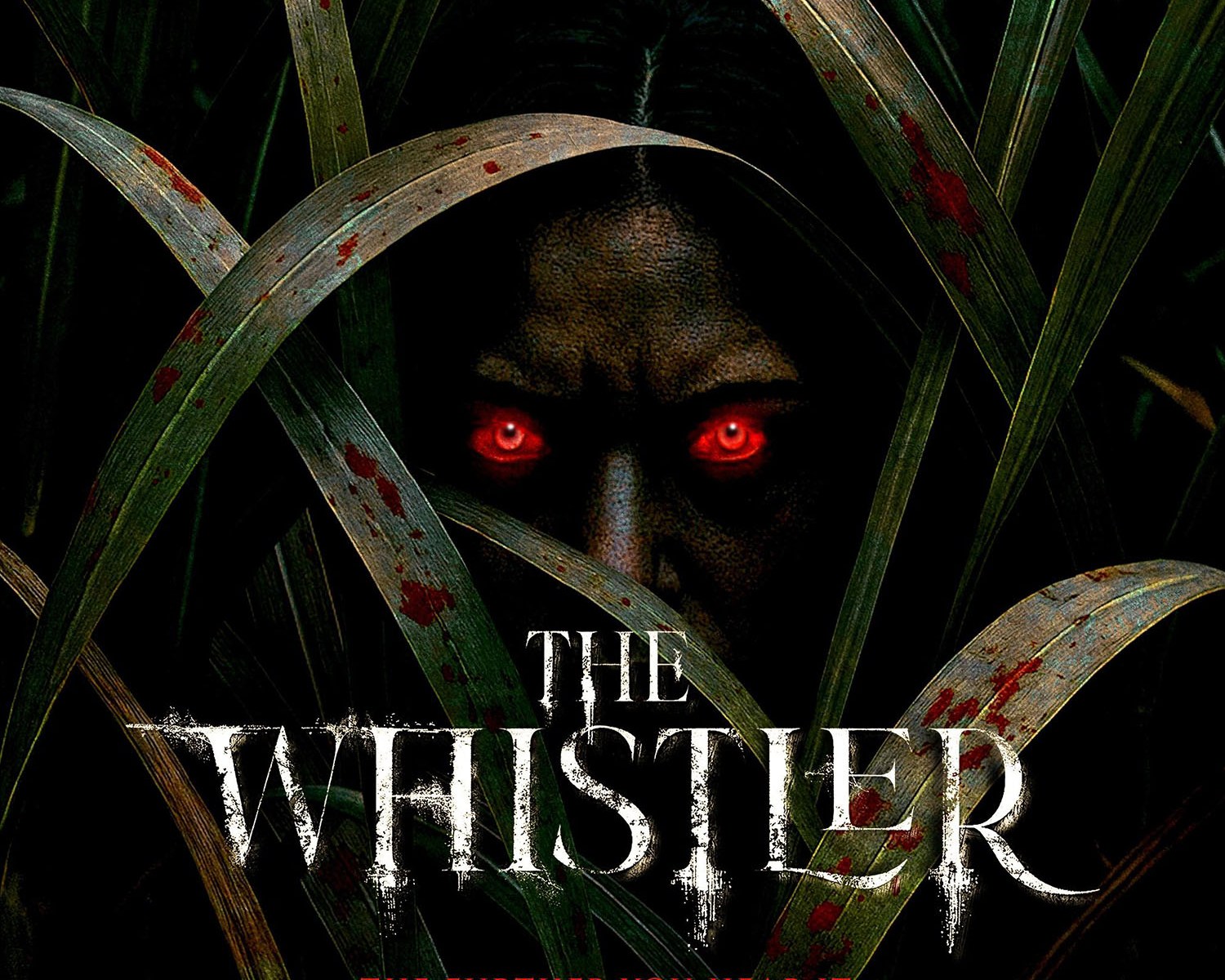
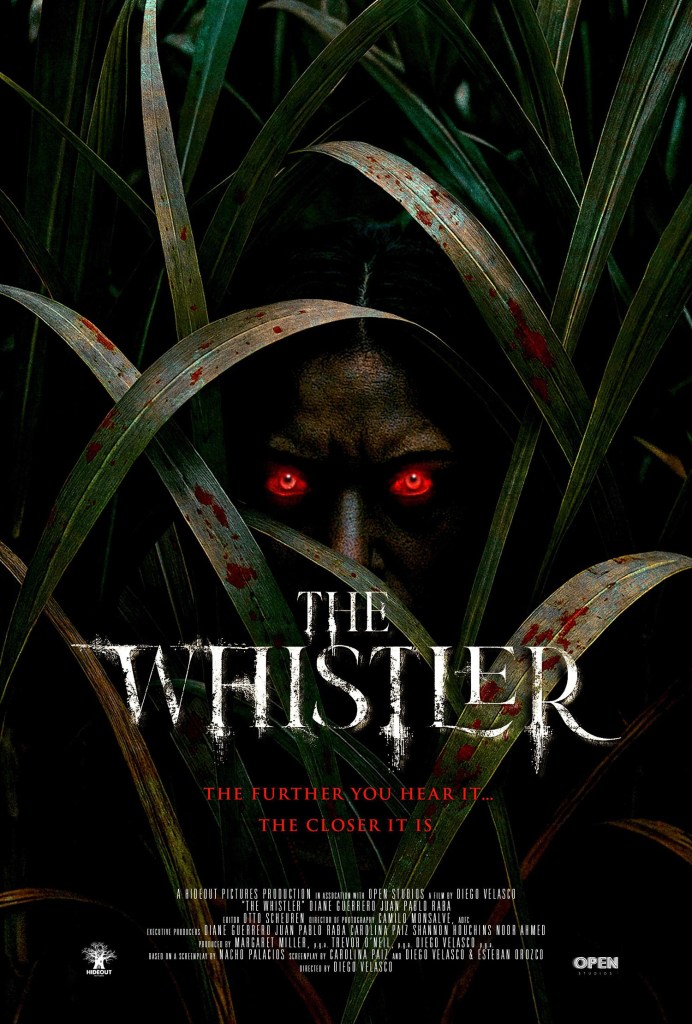
Visually, The Whistler leans heavily into atmosphere. The rural setting is used well, with the sugarcane fields creating a sense of isolation and unease, especially as darkness falls. Velasco shows restraint in what he reveals, often holding back the central threat and letting tension build through suggestion rather than spectacle. When the film does lean into more overt horror, it’s used sparingly, though not always to the impact it seems to be aiming for.
Diane Guerrero carries much of the film’s emotional weight, delivering a grounded performance that keeps the story anchored even when the narrative begins to drift. Her portrayal of grief feels genuine, and it gives the film a human centre that it occasionally struggles to maintain elsewhere. The supporting cast is solid, though the script doesn’t always give them enough to fully develop their roles.
Where the film falters is in its storytelling. There are several ideas at play—grief, folklore, social tension, spiritual belief—but they don’t always come together as smoothly as they should. The pacing can feel uneven, particularly in the early stages, where atmosphere takes precedence over momentum. By the time the threads begin to converge, the resolution feels more functional than earned.
That said, The Whistler is far from ineffective. There’s a clear sense of intention behind it, and its focus on grief as both a personal and supernatural force gives it a thematic weight that elevates it above more routine genre entries. It may not fully realise its potential, but it remains a thoughtful, quietly unsettling piece of folk horror that’s more interested in mood and emotion than outright scares.

