


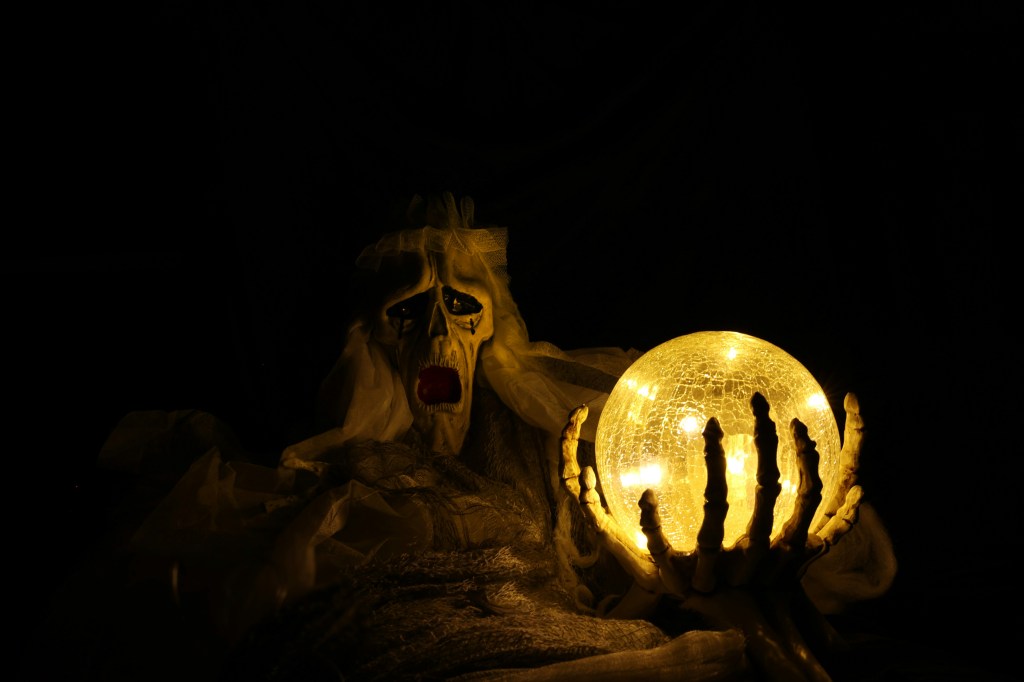
Horror films frequently rely on darkness to create suspense, uncertainty, and an atmosphere of genuine fear. Abandoned buildings, isolated forests, and deserted streets become far more unsettling when filmed at night. However, capturing these environments presents challenges that audiences rarely consider while watching the finished movie.
For filmmakers, overnight shoots involve much more than adjusting cameras and turning on artificial lighting. Production teams must coordinate complicated schedules, manage equipment in difficult conditions, and maintain consistent performances while working during hours normally reserved for sleep.
Although modern filming technology has made low-light cinematography more accessible, nighttime production remains physically and technically demanding. Weather conditions, limited visibility, and fatigue can create unexpected problems even for experienced crews.
Understanding these difficulties reveals why some of horror cinema’s most memorable scenes require extraordinary preparation, patience, and collaboration behind the camera.
Keeping Cast and Crew Energized Throughout the Night
One of the biggest challenges of overnight filming is maintaining concentration during extended working hours. Actors, camera operators, lighting technicians, and production assistants must remain attentive even when their natural sleep schedules encourage rest.
Catering teams often provide coffee, tea, snacks, and substantial meals to help crews maintain comfortable routines. Beverage preferences can vary considerably, especially among professionals who work irregular hours across multiple productions.
Overnight film productions require carefully organized routines that help cast and crew maintain comfort throughout demanding schedules. Catering teams often provide a variety of beverages and refreshments, allowing production professionals to choose options that suit their preferences. Growing interest in functional mushrooms has also introduced new beverage choices, making comparisons such as supplements vs mushroom coffee relevant to people exploring different ways to incorporate these ingredients into their daily routines. Offering thoughtful beverage selections can contribute to a more welcoming and personalized backstage environment.
Production managers must balance demanding creative requirements with realistic working conditions to help everyone perform safely and effectively.
Lighting Darkness Without Destroying the Atmosphere
Darkness is essential to many horror films, but filming genuinely dark environments can create serious technical difficulties. Cameras require sufficient light to capture usable images, while audiences still need to understand what is happening within each scene.
Cinematographers therefore create darkness through carefully controlled illumination rather than simply removing every light source.
Moonlight effects, concealed fixtures, practical lamps, and strategically positioned shadows help establish the desired atmosphere. A narrow beam of light entering an abandoned hallway can create more suspense than an entirely black frame.
However, nighttime locations introduce complications involving power supplies, equipment placement, and limited visibility.
Lighting teams must also maintain continuity across multiple camera angles. A scene filmed over several hours should appear to take place within a consistent environment.
Achieving this balance requires detailed planning and cooperation between cinematographers, electricians, and production designers.
Outdoor Locations Introduce Unpredictable Problems
Forests, isolated roads, and abandoned properties are familiar settings in horror cinema because they naturally create feelings of vulnerability. Unfortunately, these locations can be particularly difficult to manage after sunset.
Uneven ground, hidden obstacles, and limited access roads complicate the movement of heavy cameras, lighting equipment, and production vehicles.
Weather can introduce additional uncertainty. Wind may interfere with sound recording, while unexpected rain can affect equipment and planned shooting schedules.
Temperature changes also influence the comfort of actors and crew members working outdoors for extended periods.
Location managers must consider practical requirements before filming begins, including permissions, emergency access, nearby facilities, and transportation arrangements.
For productions involving remote locations, careful preparation becomes especially important because assistance or replacement equipment may not be immediately available.
These challenges explain why visually impressive nighttime scenes often require extensive logistical support beyond the camera crew.
Maintaining Convincing Performances During Exhausting Hours
Horror acting frequently involves intense emotional reactions, complicated physical movements, and repeated scenes of fear or distress. Delivering these performances becomes more challenging when filming continues through the early morning.
An actor may need to repeat a terrified expression or demanding chase sequence numerous times while maintaining consistent timing and emotional intensity.
Directors must also consider how fatigue influences concentration and communication. Clear instructions and realistic rehearsal schedules help prevent unnecessary confusion.
Physical scenes require additional coordination, particularly when performers navigate unfamiliar locations or interact with special effects equipment.
Stunt coordinators and other relevant specialists help ensure that demanding sequences are planned with appropriate precautions.
Maintaining a supportive working environment contributes to the quality of performances. Actors who understand the schedule and have adequate preparation time can approach challenging scenes more confidently.
The finished performance may last only seconds, despite requiring hours of coordinated work.
Sound Recording Becomes More Complicated After Dark
Nighttime filming may seem ideal for recording dialogue because streets and public spaces are often quieter. However, sound teams regularly encounter unexpected environmental interference.
Wind, distant traffic, aircraft, insects, and nearby machinery can interrupt otherwise successful takes.
Remote locations present their own challenges. Natural sounds may change throughout the night, creating continuity problems when footage is edited together.
Sound technicians use carefully positioned microphones and recording equipment to capture dialogue while minimizing unwanted noise.
Sometimes, environmental sounds become valuable creative elements. Rustling leaves, distant footsteps, or an unfamiliar animal call can strengthen the atmosphere of a horror scene.
However, recording these details effectively requires control and careful planning.
When dialogue cannot be captured clearly, actors may need to rerecord lines during post-production.
Strong horror sound design begins during filming, even when much of the final atmosphere is developed later.
Tight Schedules Make Overnight Production Especially Demanding
Film productions operate within schedules influenced by budgets, location availability, equipment rentals, and contractual responsibilities. Overnight shoots introduce additional pressure because certain scenes must be completed before daylight changes the environment.
A delayed setup can affect every department, especially when complicated lighting arrangements require substantial preparation.
Continuity becomes another concern. Scenes captured across several nights must maintain consistent visual details, including costumes, weather effects, and background lighting.
Assistant directors play an important role in coordinating these demands and keeping the production organized.
Despite technological improvements, successful nighttime filmmaking still depends on realistic scheduling and experienced teamwork.
Ultimately, overnight shoots remain challenging because horror filmmakers must create convincing fear while managing difficult real-world conditions. The darkness that makes these films memorable also complicates nearly every stage of production.
Behind each unsettling scene is a coordinated effort involving performers, technicians, designers, and production specialists whose work transforms demanding nighttime conditions into compelling cinematic experiences.

