

By Simon Thompson
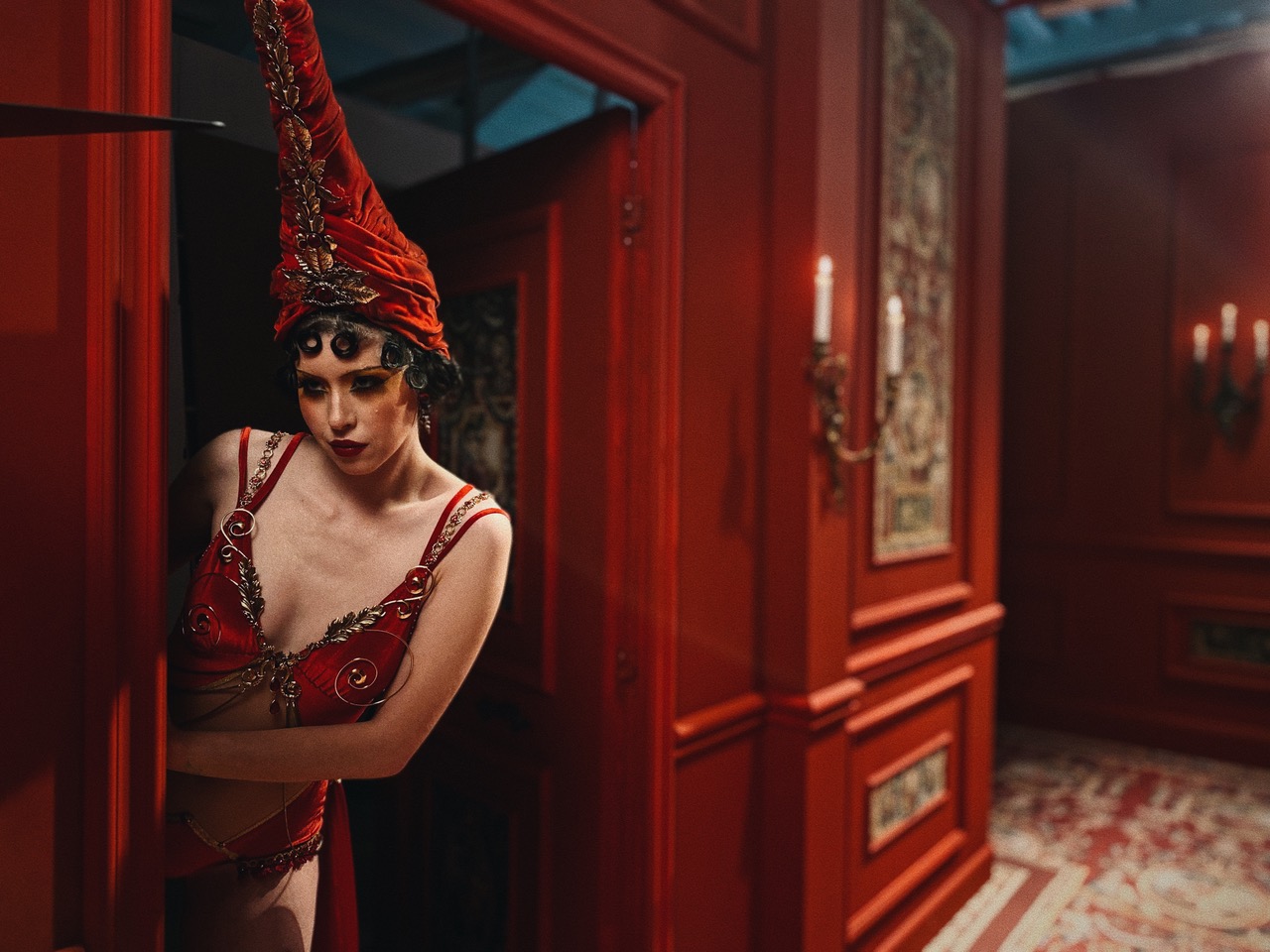
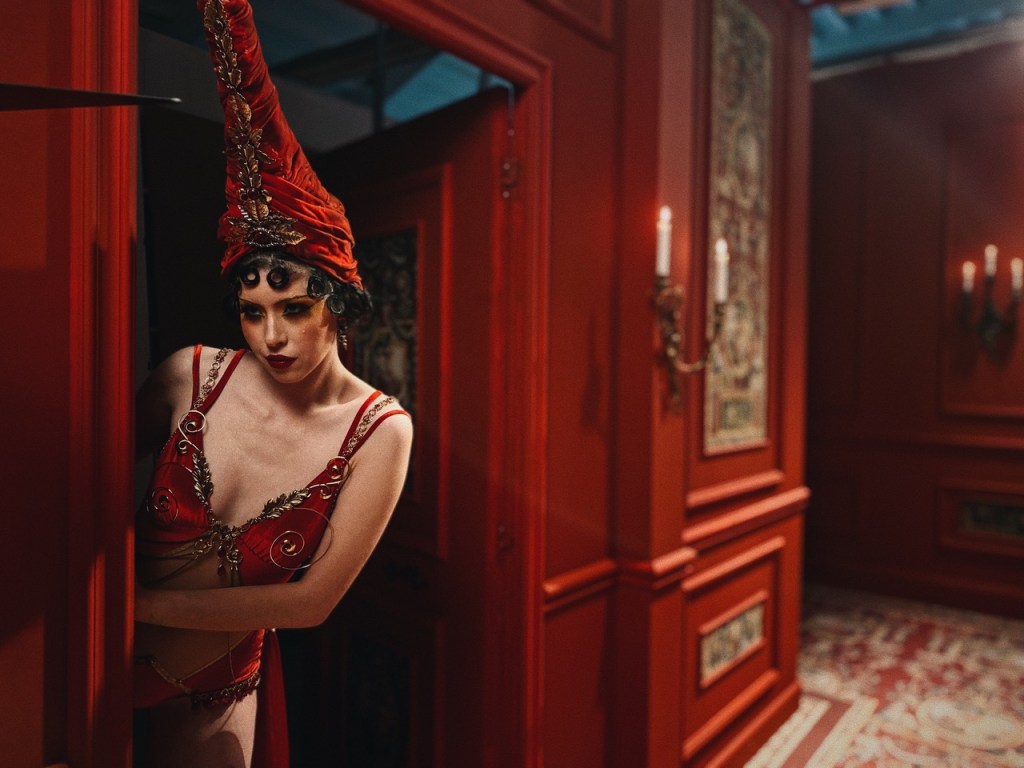
Director/co-writer Virgilio Villoresi’s Orfeo is a hallucinatory and visually stunning take on the Ancient Greek myth of Orpheus that brings a fresh new spin on the classical tale, inspired by Dino Buzzati’s classic Italian comic Poema a fumetti (Poem Strip in English), which transplanted the myth to 1960s Milan.
The film tells the story of Orfeo (Luca Vergoni), a pianist who falls in love with the mysterious Eura (Giulia Maenza) who vanishes into a supernatural realm. Desperately trying to rescue her, Orfeo follows her in and is confronted with a strange fantasy world that he must traverse to be reunited with her.
What makes Orfeo so visually arresting, is Villoresi’s use of both live action and stop motion animation, as well as optical illusions, to tell the movie’s story. You can definitely see the influence of classic European art cinema such as Michelangelo Antonioni and Alain Resnais’s work on Villoresi’s look, but the handcrafted sets and stop motion strongly recall David Lynch’s Eraserhead, and the works of Czech animators like Jiri Trinka and Jan Svankmajer.
While the film’s script by Villoresi and co-writers Alberto Fornari and Dino Buzatti is sparse in terms of plot, the cinematography and imagery are so interesting that this isn’t a negative in the slightest. This is a movie which feels as if you’re having a bad dream as you’re watching it, which the lack of a conventional plot bolsters.
Luca Vergoni and Giulia Maenza as Orfeo and Eura have a palpable screen chemistry together, and the romantic scenes in the movie are handled with a genuine sincerity that never becomes too sickening.
Overall, while this movie is never going to equal Jean Cocteau or Marcel Camus’s definitive interpretations of the myth of Orpheus, this is still a really interesting take on the story that at just 74 minutes is well worth your time if you’re looking for something different.

