

By Terry Sherwood
Damien Fannon’s Ivan begins with one of the simplest objects imaginable: a black box with a light given by someone with a ulterior motive. The electronic “trojan horse’ the brings that bring control, family trauma, haunting past events and revenge of divorced man from his family
The title itself is curious. Ivan is the name given to the device, an ordinary human name attached to something that increasingly feels less like a machine and more like a presence within the house.
The story centres on Abigail, who loves her father Jim despite her mother Kim’s insistence that he is dangerous. Abigail therefore sees Kim as the villain, while Kim believes she is protecting her daughter. Kim hires Lisa, an engineering student, ostensibly to clean the house but also to keep an eye on Abigail. Lisa brings her own troubled relationship with her mother into the situation, creating another link in the film’s chain of damaged family relationships.
What follows is an increasingly confusing fusion of control, old violence, revenge and the possibility that something from the past can be stimulated or awakened by an outside entity—or simply by a device that gives those impulses somewhere to go.
That premise is becoming something of a horror trope. We have seen variations of the idea in which an object, entity or technological presence activates a protective instinct, resurrects past violence or gives suppressed impulses a physical form. What makes Ivan interesting is that Fannon doesn’t make the mechanism entirely clear. Is Ivan causing the characters to behave differently? Is it awakening something that was already inside them? Or is the technology merely giving people a new means of exercising control over one another? This clouds the issue because sometimes a ‘ cigar is a cigar” This revenge film by Hal 9000 inspired device that wreaks havoc in a family.
Stephen Bogaert’s Jim has an unsettling presence of the downtrodden man who supplies the device his estranged family. Later his does a therapy monologue about losing evening and saying things are not fair which is chilling not for its content but some men in the audience believe this to be true. Outside force is ruining your, life, your career, your homelife well maybe you are just a poor person. Not everyone gets the brass ring in everything they do so you do your best. The film doesn’t explain why his marriage and life failed, so it becomes cardboard.
The women are more complicated. Kim, Abigail and Lisa can all behave badly, but their actions emerge from recognizable emotional wounds. Julia Tomasone is particularly effective as Lisa, giving the film much of its emotional grounding. All have secrets in their lives, all have trauma that are shown, many inflect self harm on themselves the most chilling is a sequence that has “balls.’
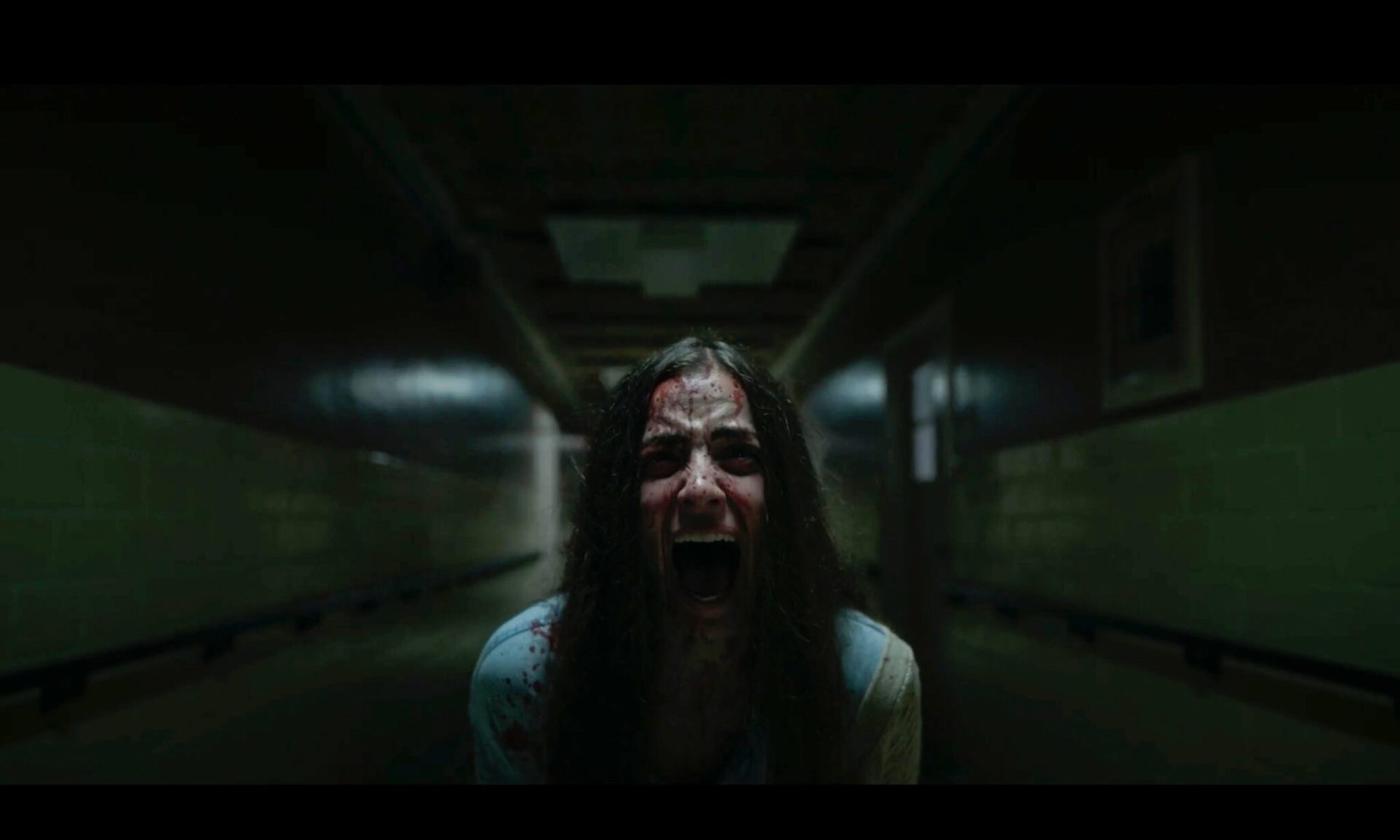
Fannon’s camera reinforces the sensation that everyone is watching everyone else. His repeated slow zooms begin at a distance and gradually close in on the characters while the camera itself remains static. It feels less like conventional coverage than surveillance. Somebody is studying these people.
The recurring circular imagery reinforces that idea. Ivan’s glowing red interface inevitably recalls HAL 9000 from 2001: A Space Odyssey. Circular lights, car taillights and other visual elements repeat the motif until the red circle almost becomes an eye. Yet the HAL association is the key because in the Ivan is simply another film about an artificial intelligence becoming hostile to its human creators.
The setting makes this particularly effective. The film has the slightly displaced quality of a period piece, with older cars, landline telephones and computers suggesting the 1990s without firmly establishing a date. Ivan consequently feels like an intrusion from another world. It is advanced enough to seem inexplicable but physically mundane enough to sit comfortably on a piece of furniture.
There are clear echoes of Demon Seed, in which technology invades the supposed sanctuary of the home, and at times Ivan recalls the uncomfortable family manipulation of The Killing of a Sacred Deer. But Fannon is ultimately interested in something more intimate: how violence survives inside families and how the past can continue exerting control over people who believe they have escaped it. Shot in the city of my birth it could have been better and should have been.
An idea that becomes the films excuse to show some effective sequences, confusing colors etc. much the same as the Vortex sequence from the Kubrick film.
When the violence finally erupts, the film becomes considerably more brutal than its restrained first half suggests.
Ivan becomes a missed opportunity of, screaming, family violence all from the past and big act of revenge. The camera work all becomes simple dressing; the situations look interesting but clouded over by never explaining why this guy want to revenge? What kind of person was he before? What caused the trouble? The second thing is to end it all why not just unplug it like Bowman did to HAL 9000 by removing his brain chips.
Ivan screened as part of Grimmfest 2026.

