

By David Dent
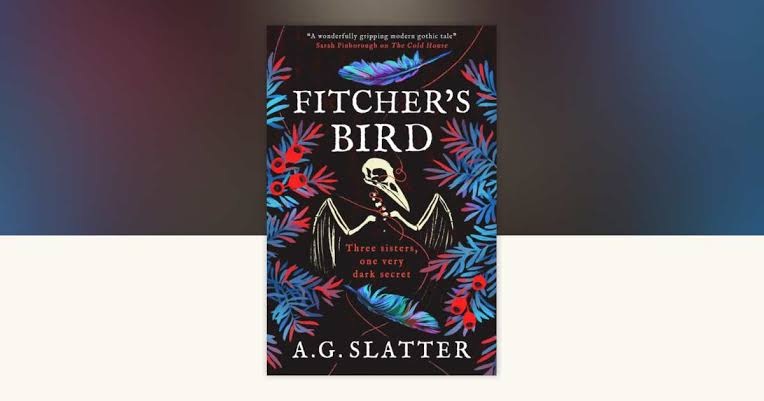
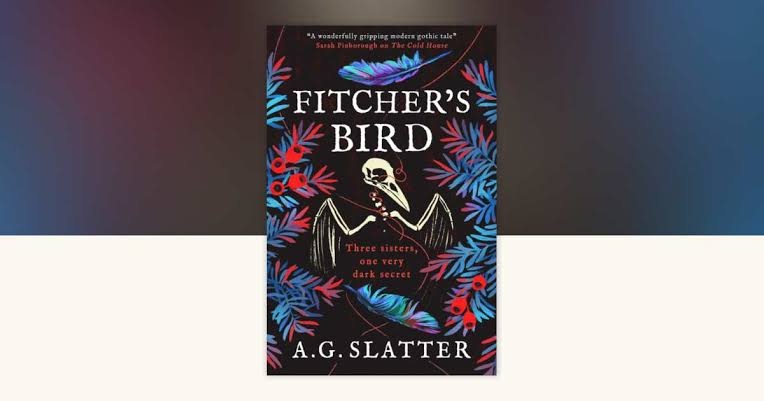
‘Fitcher’s Bird’ is one of the many fairytales from the Brothers Grimm, and its ingenious reshaping by prolific author Slatter into a spare, tense and beautifully written novella of the same name is a stroke of genius.
Dido is the eldest of three sisters, her younger siblings being Chloe and Zoe. The trio have a had brief but tough lives; a father who died young and a mother unable to bring them up on her own resulted in them being placed in the hands of terrible foster parents, who already had a family of unpleasant sons.
Some years later Dido, now a successful doctor, has grown apart from her sisters: Chloe, now almost pathologically anxious, and Zoe, a victim of substance abuse, have however remained in contact.
But Chloe and then Zoe have both gone missing, each following an encounter with men who seem similar in description. Razor sharp Dido takes matters into her own hands when police investigating the disappearances prove ineffective and realises that the key to her sisters’ fates lies buried in the past.
What Slatter accomplishes in 130 odd pages would take lesser writers at least another 200 to achieve, probably with less effective results. Each line of Fitcher’s Bird is meticulously thought through, and Slatter’s economic prose is all the more devastating for its brevity.
But it’s the intertwining of myth and modern day storytelling that makes this novella exceptional. The bones of the brothers Grimm tale, on its own a brief and nasty fable, keep poking through the text, perhaps reminding the reader that some situations, loss, grief and threat, are universal.
Dido’s tenacity carries the story, her inability to shrug off the responsibility of her older sister status pulling things through to its tragic denouement. This is powerful stuff, at times darkly humorous, intensely sad and gripping; sometimes in the same sentence.
Strongly recommended.

