
By David Dent
Sandra is having a pretty tough time of it. Her life partner Vin has recently died following a long, harrowing battle with cancer, and now their home is threatened with repossession because of her inability to meet the mortgage payments. A chef by training, Sandra just can’t get the breaks, and her world view remains clouded by her grief.
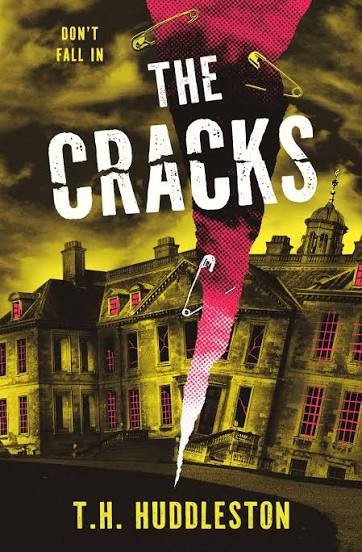
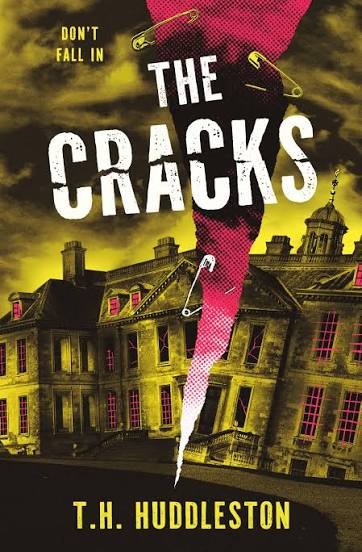
But a chance meeting with an old Uni friend, Gerry, with whom she’d had a brief fling back in the day, presents an opportunity, however awkward. Gerry has clearly fallen on his feet, with a London pad and now, courtesy of an inheritance by his wife Joy, a mahoosive country pile, Hautmond. The couple’s intention is to redecorate the mansion and re-sell it; Gerry offers Sandra the opportunity to join them, get her head together and maybe even mount a legal challenge to the repossession courtesy of one of his friends, a lawyer.
At first things go well; Sandra rediscovers her love of cookery and enjoys the company, including Gerry’s son Xander. But her frustration doesn’t take long to resurface; Gerry’s legal contact never seems to materialise, and Joy’s initial plans, to flip and sell, seem to have dried up in favour of a preferred rural existence, in which Gerry and Sandra must play their parts.
Sandra, conscious that class as well as ready cash marks a difference between her existence and that of her benefactors, attempts to secure a chef job in the local pub, befriending the rough and ready staff who are also members of a local punk band (which chimes with Sandra’s stuff-the-system upbringing). But when the pub mysteriously burns down, returning Sandra to a menial existence at Hautmond, she starts to sense that the house itself, and its occupants, may be replaying a class war steeped in the its history.
Huddleston is the author of several YA adult novels; this is his first fully fledged grown ups book. But it sure doesn’t feel like it. Aside from some effing and jeffing events here play out simplistically and, supposedly comically, although the book’s tone is all over the place. ‘The Cracks’ is advertised as a middle finger to privilege and a pean to punk rock, but instead what we get is a muddled book, populated by half drawn characters, ridiculous setups and a lightness of touch ensuring that none of Huddlestone’s ideas really land.
I was immensely disappointed by ‘The Cracks’. It’s by no means an unreadable novel, just a frivolous one; I loved the central conceit of an ancient house struggling to preserve the class system, but the subject matter deserved something more robust and committed than this tepid, unfunny romp.

