
By Terry Sherwood
Justin Calandriello’s short film Birdcall Written by Halle Kott, the fifteen-minute short combines elements of zombie horror, found footage, body horror, and post-apocalyptic science fiction to explore themes of isolation, survival, deception, and humanity’s response to disease. Remarkably all of these are tropes now in genre used to illuminate the human condition.
Being of British extraction on my father’s side Birdcall is slang term for cat calls mostly against women that now effect society particularity female reports on location and some women in general. That is a clever use as the film unfold more then a zombie film and would explain much of the on-screen images and words.
Birdcall’s most distinctive is its unconventional opening, the film introduces viewers to a world through an educational puppet video featuring Avery, a member of the fictional bird species Avis Anthropophaga. This humorous yet disturbing sequence explains the avian disease Parasitica Rapax, which infects humans through bites or bodily fluids before causing decomposition and eventually transforming victims into monstrous creatures.
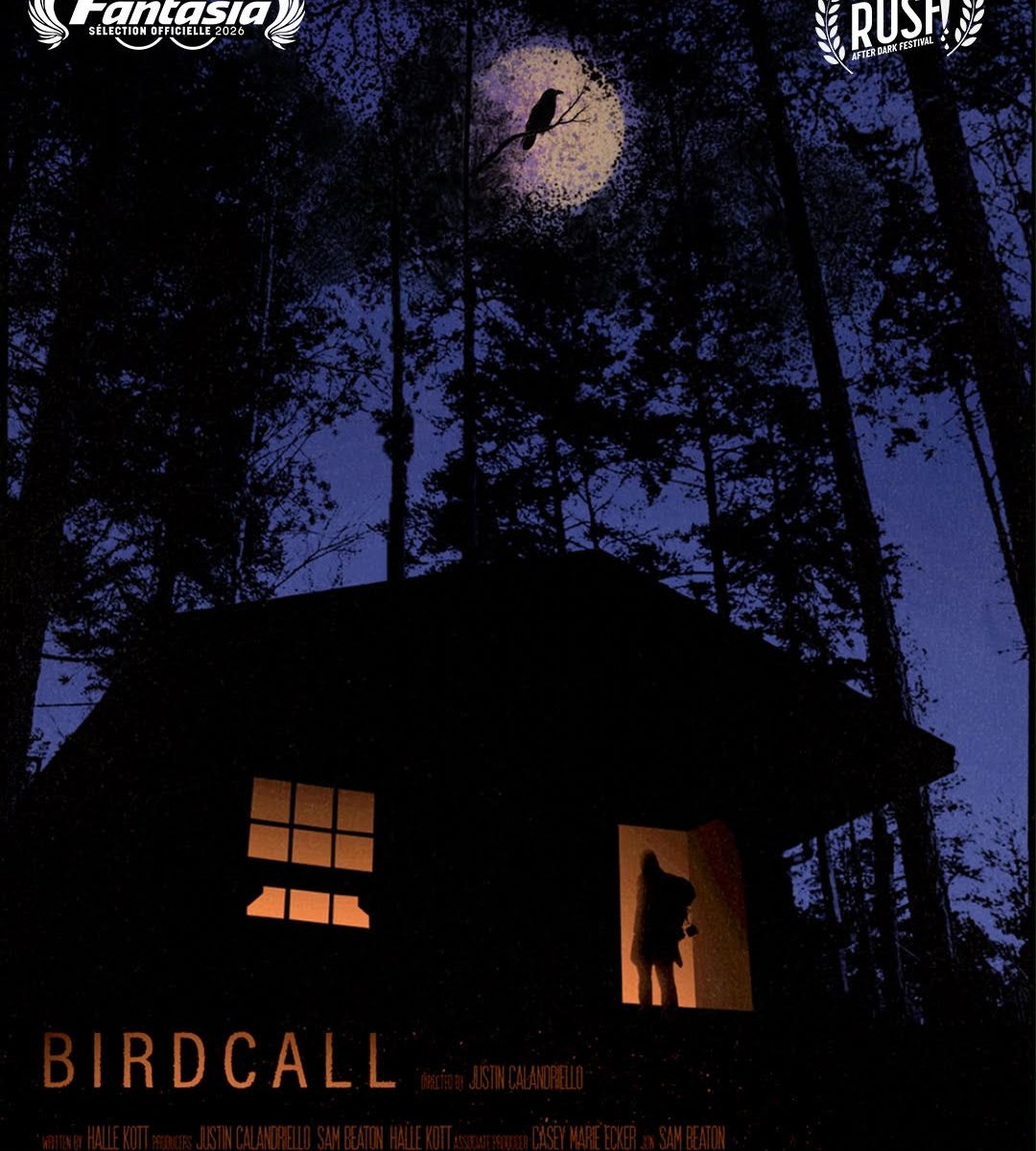
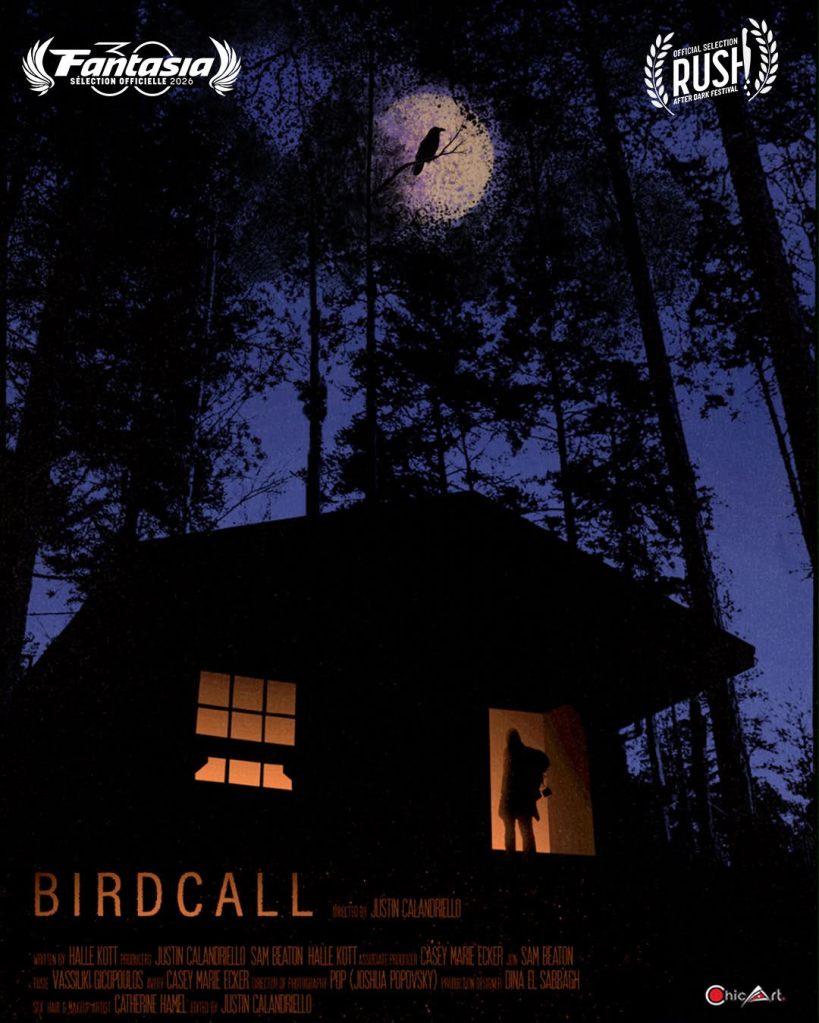
The story centres on biotoxicologist Jon Reeves and his wife Rosie, who retreat to an isolated lakeside cabin after Jon secretly becomes infected with the disease. Rosie believes they have been sent away because of workplace politics, unaware that Jon has intentionally isolated them so he can secretly test an experimental vaccine on himself. This hidden motivation immediately creates dramatic irony, as viewers recognize Jon’s deception long before Rosie does. Rather than focusing solely on monsters or gore, the film places equal emphasis on the deterioration of the couple’s relationship, making the emotional conflict as important as the physical threat.
Jon is portrayed as deeply flawed. His arrogance, secrecy, and willingness to endanger Rosie reveal that his greatest weakness is not simply the infection but his belief that he alone can solve the crisis. His actions and her actions particularly to dialogue with Rosie being berated by the infected Jon to her saying sorry looks like spousal abuse. Roses revelation that she has not lived up to his vision of her is more like an abused partner. Jons rantings while effectively filmed at various angles with him pontificating about the elite and how Rosie pays him back for what he had done for her by locking him away in a room looks like incel or conspiracy remarks. If that is the intention then its a satire, if it wasn’t its trivialising real horror of conspiracy believers, people with secret knowledge and incel lifestyle that women are for them only and are not grateful.
Rosies end piece with her saying how she needs to be more than safe and how she regrets again looks like remark from an abused woman starting a new life. If this again is the intent of this film it works, if its not then its woeful miscalculation
The isolated cabin creates an atmosphere of claustrophobia while allowing the production to maximize its limited resources. The constant bird calls and unseen creatures outside remind viewers that danger is always present, even when it remains invisible. Much of the horror is implied rather than explicitly shown, allowing sound design and audience imagination to build tension.
The cinematography also contributes significantly to the film’s realism. Nearly every scene is presented through in-universe cameras, including Jon’s research recordings and the cabin’s CCTV system. This found-footage approach enhances the documentary-like quality of the narrative and makes the audience feel like witnesses observing real events rather than watching a conventional horror film must like the original The Blair Witch Project that runs all through this .
Birdcall is rather than simply portraying infected monsters, the film examines how fear, secrecy, and human pride contribute to catastrophe. The body horror of Jon’s visible decomposition serves as both a physical manifestation of disease and a metaphor for the moral decay caused by selfishness and dishonesty.
Its good to see Canadian horror that has interesting message other then the “merde’ like Skinamarink along with the glorified video game on film In a Violent Nature and its imitators begin brought forward. contemporary anxieties about pandemics and survival. Birdcall demonstrates that compelling horror and meaningful themes are out there if that was the intention in this case an abusive relationship against the zombie background.

