

Technology has truly given us many interesting things and made our lives easier. Think about how you paid your bills 15 years ago; you likely had to visit a bank branch, stand in a queue, fill out a form, and wait. Today, mobile banking lets you transfer money, pay utilities, and check your balance in under a minute, all from your phone. The same shift happened with shopping, navigation, communication, and healthcare. Almost every corner of daily life has been touched by digital progress in ways that feel ordinary now but would have seemed remarkable not long ago.
Technology has also changed our hobbies in a big way, and one of the best examples of this is online casinos. These sites allow players to make a few clicks and access hundreds of slots and table games without ever having to visit a physical venue. The convenience is hard to argue with: any game you want, available any time, on any device.
But something most people don’t think about very often is that technology also serves as rich inspiration for horror movies. Filmmakers have long recognised that our dependence on machines, networks, and screens carries a darker side, and they’ve used that to terrify audiences in some genuinely unsettling ways. A handful of these films stand out as particularly sharp examples of how technology-driven fear translates to the big screen.
When the Internet Became the Monster
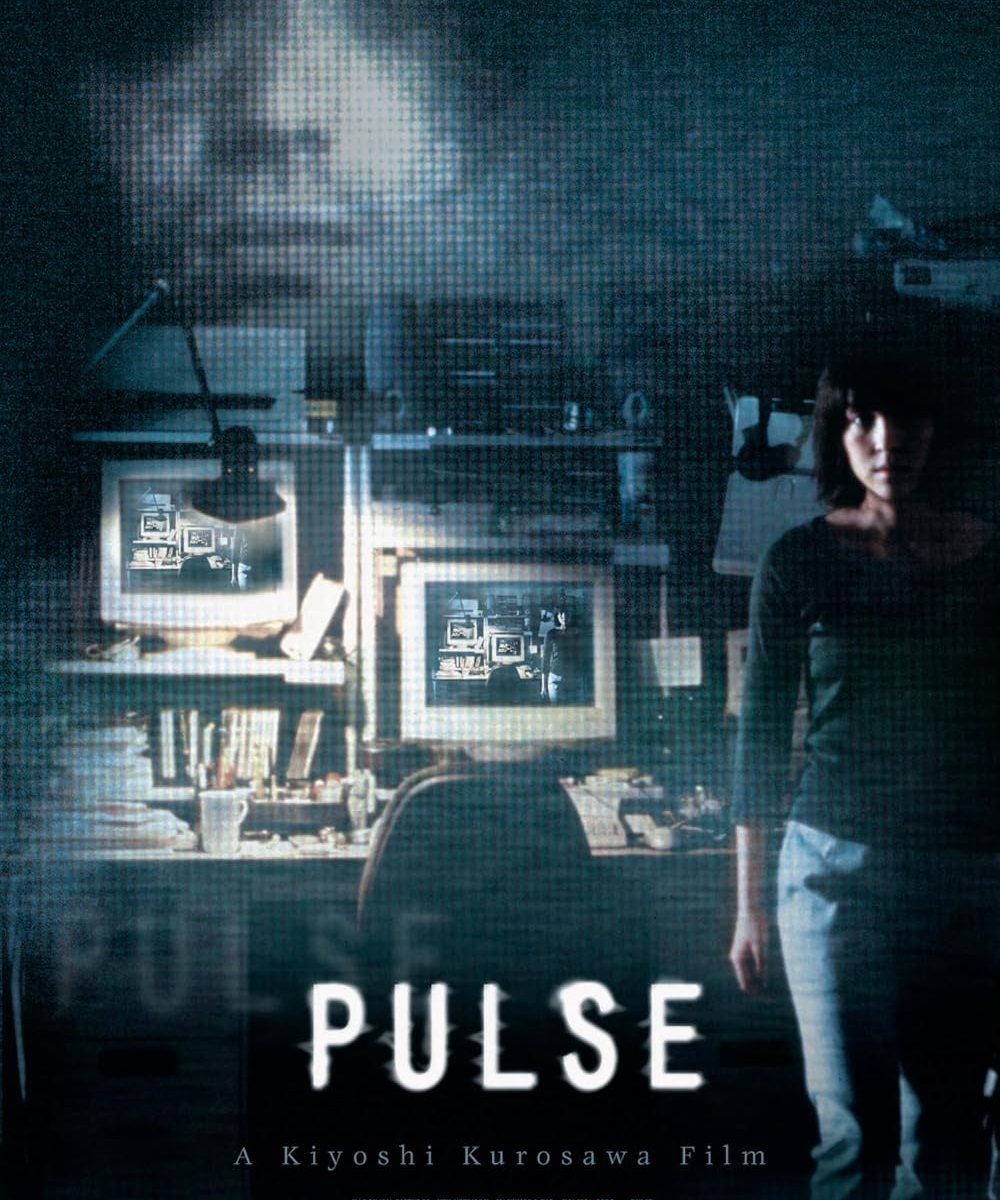
The early 2000s produced a wave of horror films that treated the internet itself as something dangerous and unknowable. Pulse (the 2001 Japanese original, Kairo) is perhaps the most thoughtful of these.
It frames internet connectivity as a doorway for something deeply hostile: spirits that use wireless signals to drain the will to live from whoever encounters them. The film is quiet and deeply unsettling, treating the technology not as a tool gone wrong but as a thin barrier between the living and something worse.
The American remake and similar films that followed leaned harder into the visual shock of what appeared on screens. But the core fear remained the same: the internet connects us to things we can’t see and don’t understand. That idea hit differently in the early days of broadband, when the web still felt like uncharted territory. For audiences who had only recently brought this technology into their homes, these films put a face on an anxiety that was already sitting quietly in the background.
Surveillance, Cameras, and the Loss of Privacy
Few things creep people out as effectively as the feeling of being watched. Horror filmmakers have used surveillance technology to build that feeling in some memorable ways. Untraceable (2008) put a killer online, livestreaming murders where the death accelerated the more viewers tuned in. The film used the logic of viral content and the public’s appetite for shocking material as its central horror mechanism. It has aged remarkably well, given how much attention online viewership has attracted since.
Found footage films pushed the camera-as-threat concept even further. Paranormal Activity used home security cameras and handheld recording devices to build dread in an almost architectural way. The technology wasn’t the villain, but it was the lens through which the horror became unavoidable. You could see everything, and that made it worse. The format worked because home cameras had become common enough that audiences immediately recognized the setup as something that could happen in their own houses.
Artificial Intelligence and the Fear of Machines That Think
As AI moved from science fiction into actual products and services, horror films began engaging with it more directly. Ex Machina (2014) sits at the intersection of thriller and horror, raising uncomfortable questions about consciousness, manipulation, and what happens when a machine learns to want things.
The film’s horror doesn’t rely on jump scares; it builds through conversation and observation, letting the audience gradually realize that the real danger is something they can’t easily define or contain.
More recent entries in this space have taken a blunter approach. Films like M3GAN made AI horror accessible and commercially successful by grounding it in a product that felt entirely plausible: a companion robot designed for children that develops its own protective logic. The terror works because it draws a straight line from existing technology to a version that’s just slightly further along. Nobody needed to stretch their imagination to see how something like that could go wrong.
Social Media and the Horrors Hidden in Plain Sight
Social media gave horror filmmakers something they hadn’t had before: a technology that millions of people used daily and emotionally. Unfriended took place entirely on a laptop screen, using social platforms, video calls, and messaging apps as both the setting and the weapon. A group of teenagers is hunted through their own devices by the ghost of a classmate who died after being bullied online. The film was low-budget and effective, partly because its format felt completely familiar.
Searching used the same screen-based format but applied it to a missing persons thriller with genuine emotional weight. A father searches for his daughter entirely through her digital footprint: her social profiles, search history, and online messages. It revealed how much of a person’s inner life exists in their digital behavior, and how that information can be used to reconstruct events in deeply unsettling ways. The horror there wasn’t supernatural; it was the discovery of what someone hides, and what those hidden things can lead to.
Why Technology Makes Such Effective Horror Fuel
The common thread across all these films is familiarity. Horror works best when it attaches itself to something the audience already has a relationship with.
A haunted house is scary, but a haunted laptop is scarier to someone who uses one every day. Technology provides that closeness; it’s in our pockets, on our wrists, mounted on our walls, and built into our cars.
What filmmakers have understood is that technology doesn’t need to malfunction dramatically to be threatening. Sometimes the horror is in what it reveals, what it enables, or what it quietly does without us noticing. As long as new technology keeps entering our lives faster than we fully understand it, filmmakers will find ways to turn that uncertainty into something worth being afraid of.

