
Think about the moment in a horror film when nothing is happening. The camera holds on an empty corridor. The score drops out. Your eyes scan the frame for the threat you know is coming but cannot locate. That anticipation, that specific unbearable silence before the inevitable, is not accidental. It is the most carefully engineered ten seconds in the film.
Horror has always understood something other genres only occasionally stumble onto: the human brain finds the unknown more terrifying than anything it can actually see. The shadow in the hallway is scarier than whatever steps out of it. The creak of a floorboard above an apparently empty house is more unsettling than any prosthetic monster. This is why horror, despite constant declarations of its death as a genre, keeps producing some of the most culturally durable work in cinema.
What has changed is where that work is happening. The passive experience of the cinema screen, you in your seat, the film doing its work at a fixed remove, has expanded into something far more personal. Audiences now watch horror alone in dark rooms, on devices that sit inches from their faces, headphones feeding the sound directly into their skulls. The distance has collapsed. And alongside streaming, a separate digital entertainment industry figured out that the same psychological levers horror uses to keep audiences hooked translate almost perfectly into interactive design. When it comes to developing casino games, specifically with the horror-genre in mind, slot games don’t just borrow the visual language, they borrow its’ architecture of dread.
The Sensory Blueprint: Soundscapes and Shadows
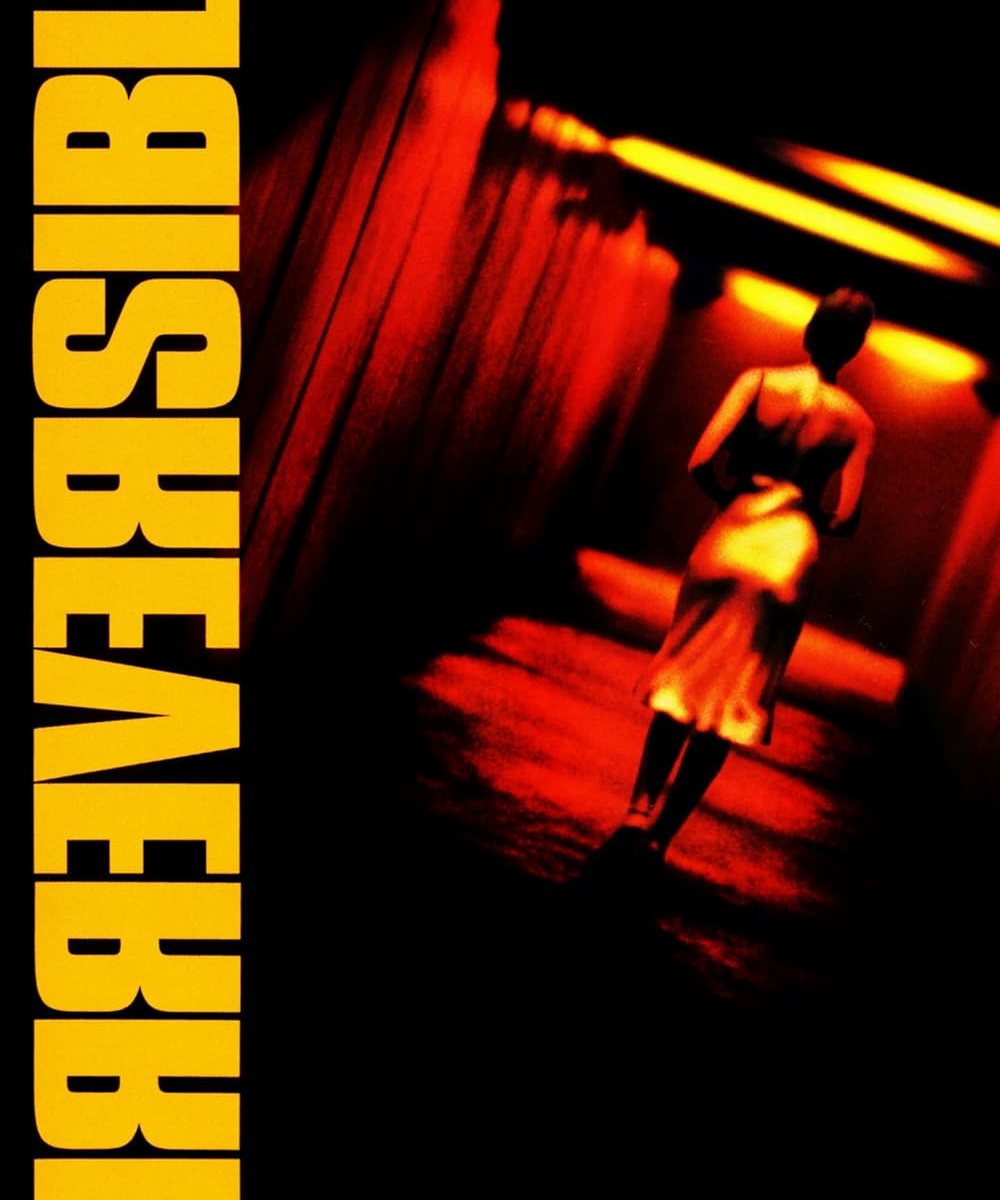
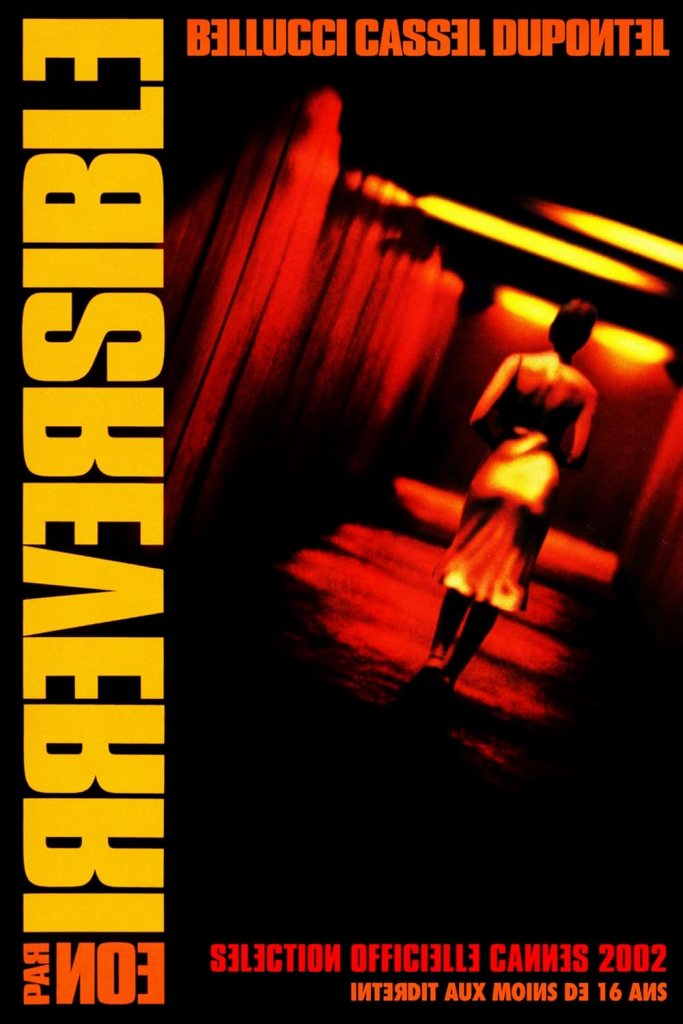
Gaspar Noé admitted to embedding 27Hz of infrasound in the opening thirty minutes of Irréversible. The frequency sits below the human hearing threshold. You cannot technically hear it, but your body registers it as vibration, and the effect is measurable: unease, a low-grade anxiety with no identifiable source. Sound designers on The Conjuring II have also confirmed using infrasonic frequencies to quietly distress audiences before the visible horror even arrives.
This is what separates competent horror filmmaking from the genuinely unsettling kind. The fear isn’t in the image. It’s in the room before the image arrives. Game developers have absorbed this lesson more thoroughly than most critics give them credit for. The audio design in high-end interactive entertainment now follows a similar psychoacoustic logic, layered frequencies, timed silences, tension and release patterns that owe more to Bernard Herrmann than to anything traditionally associated with their medium. The visual palette has shifted decisively toward the cinematic. Dark aesthetics, low ambient sound beds, the specific grammar of dread that horror directors spent decades refining.
High Stakes Survival: The Thrill of the Near-Miss
There’s a reason the final survivor in a slasher film is the most compelling character to watch. It isn’t simply that we want to see good triumph over evil. We want to feel, vicariously, what it means to almost not make it. The near-miss. The moment when the knife swings and catches nothing. Research examining why audiences seek out horror suggests that the physiological arousal produced by frightening content, elevated heart rate, heightened attention, the biochemical signature of stress, becomes pleasurable specifically when it occurs in a controlled environment. The fear is real. The danger is not. That gap between sensation and consequence is where entertainment lives.
Interactive design exploits exactly the same mechanism. The near-miss in a high-stakes digital environment produces a documented spike in engagement, the same neurological response that makes the last-second escape in a horror film so satisfying. Suspense doesn’t require a screen adaptation of Halloween to work. It requires uncertainty, stakes, and pacing. Any medium that can deliver those three things can make you feel what horror films have been making audiences feel for a century.
Crossing the Fourth Wall: Interactive Dread
Writing about Blood Shine at FrightFest 2025, critic David Dent described the film as “murky, look-away-nasty and authentically atmospheric.” That phrase would work equally well as a design brief for any modern interactive horror experience. The distinction between watching and participating has become genuinely difficult to locate.
4K streaming on personal devices removed the collective buffer of the cinema. Horror is no longer shared. It is experienced alone, on a screen sized to your face, in your own dark room. That shift fundamentally changed what directors could assume about their audience’s physiological state. Vulnerability, in a way the cinema never quite allowed.
Interactive entertainment extended this further. When the user makes choices, even constrained or cosmetic ones, the psychological investment shifts. Outcomes feel personal. Losses register differently. The same brain that knows it is watching a fictional slasher also registers, on some level, that it is the protagonist. Horror directors have argued for decades that the most powerful fear is the kind you generate in yourself. The industry that turns out to have been listening most carefully is not another film studio.

