
By Terry Sherwood
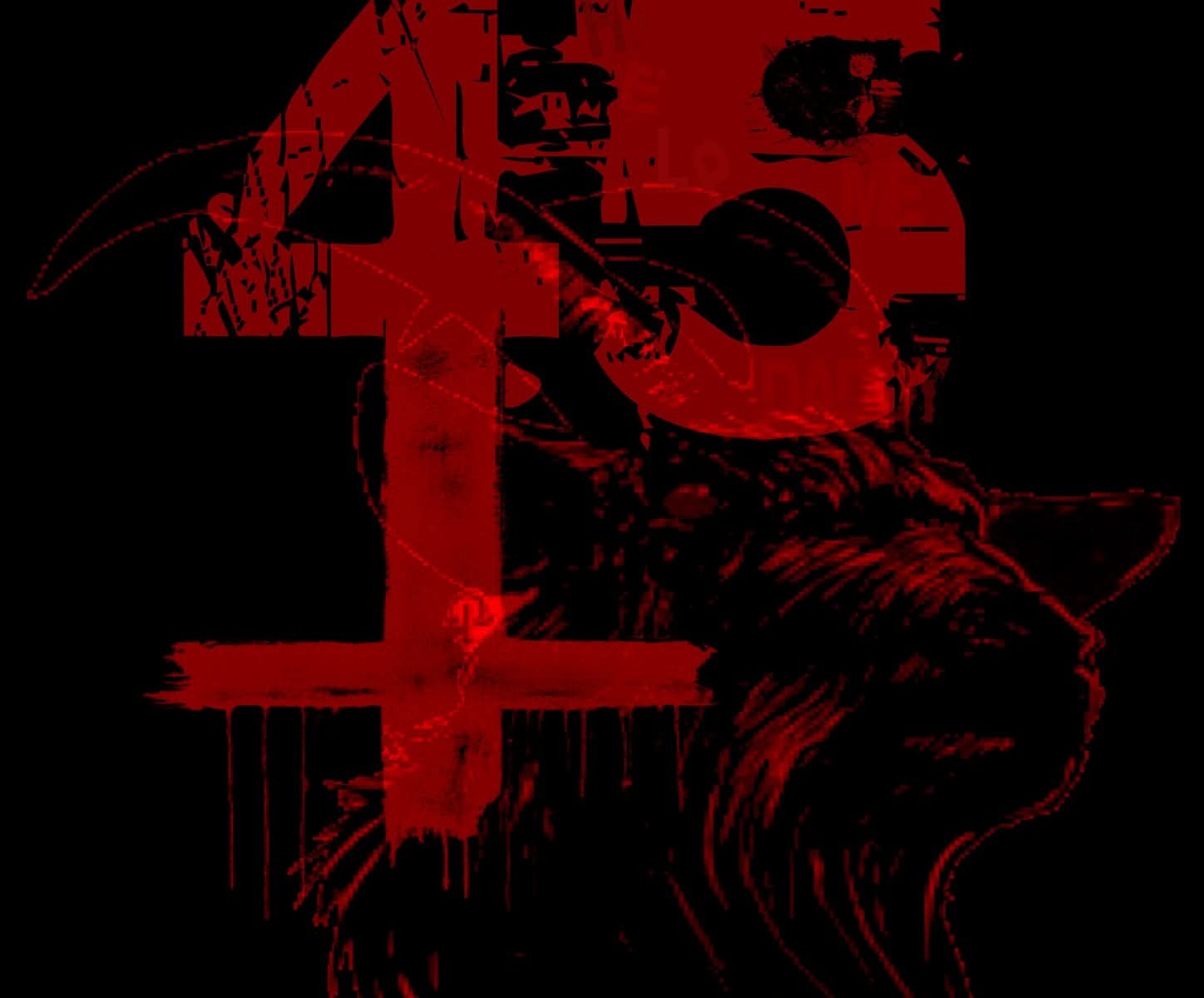
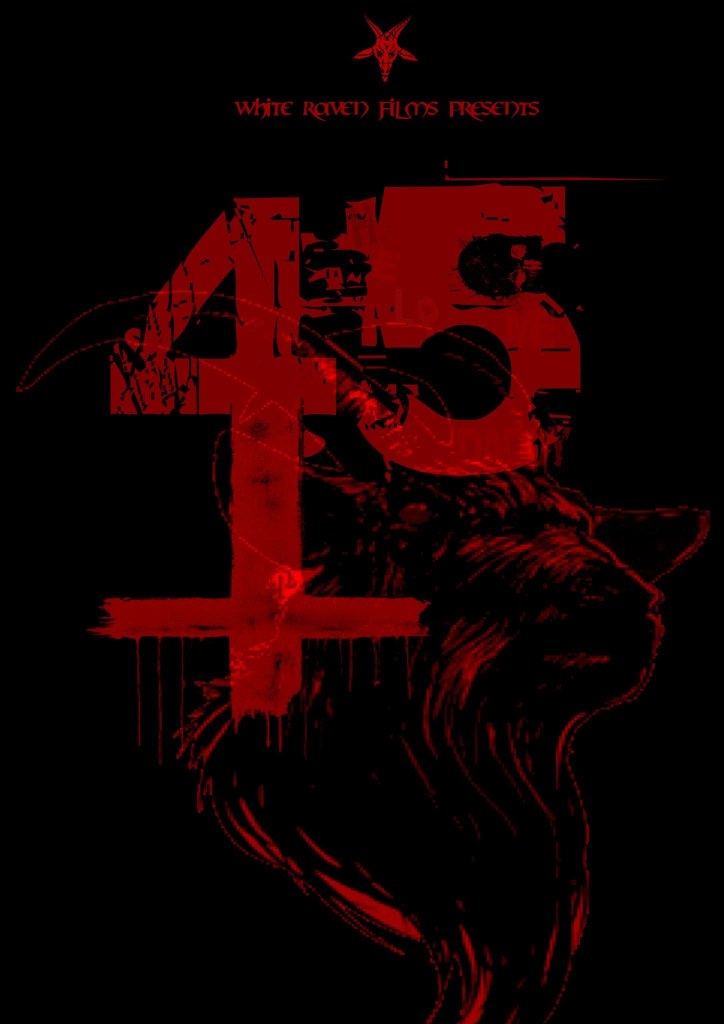
There is a moment in the opening credits of Bazz Hancher’s Forty-Five — and note that title carefully, because the number is going to have significance work throughout when the debt to William Friedkin announces itself without apology. Red titles. Stark, declarative, bleeding against the frame. Inspiration from The Exorcist and that film’s famous prologue in the dust and heat of Northern Iraq, those ancient hills. This isn’t Northern Iraq but has a lot of green forest with bits of bodies and bloody garments. What he has are the grey certainties of England, and those clear, unflinching location shots establish their geography with the confidence that film is little story that is bigger. One who understands that dread is in this case is local.
Boyd Fallon (Kemal Yildirim) is a man three years deep into the particular hell of an unsolved murder. His daughter is dead. The police have delivered nothing but procedural indifference. He hires a private detective and Forty Five wears its occult Film noir shawl or cassock in the territory of Alan Parker’s Angel Heart well in these early passages before the investigation pulls Boyd sideways into something far older. Father Vaughan (Andrew Elias) , a priest apparently tormented by his own visions, suggests the girl’s death connects to the Antichrist, to end times prophecy, to a countdown of precisely forty-five days. The film moves between occult iconography and Christian symbolism with ambition,
Kemal Yildirim plays Boyd as a man who has long since exhausted his rage and now moves through the world like someone wading in deep water similar to Jason Miller as Father Karras. Andrew Elias matches him well as the haunted Father Vaughan as two men who should be opposites, the secular and the sacred grounded in the task of seeking answers. Michaela Revel-Maton as Emily Blake also makes a strong impression in what could easily have been a window dressing
Where the film asks most of its audience in its talky dialogue and in its creature work, which is practical rather than CGI. That instinct is always the right one in principle physical effects carry a texture and presence that digital rarely replicates for budgetary considerations and though the execution here will require some good faith from viewers, the intention behind it speaks well.
The script does become wordier and screamy in places than the atmosphere strictly requires. Horror of this kind is brooding presence, rooted in the collision of faith and darkness is at its most powerful when it trusts its images to carry the weight even in flash frame. The finest moments in the picture do exactly that. In others, dialogue steps in where silence and pacing might have served better. Dread in every frame is an almost impossibly high bar and it is no fair to compare this solely against the masterpiece of The Exorcist. If Forty-five does not always reach it, the reaching itself counts for something.
In a genre landscape crowded with louder, blunter, more cynically assembled product, Forty Five is made with genuine seriousness of purpose. It takes its theology seriously without becoming a sermon in some part. It takes its grief seriously and has roles of merits. The Friedkin echo in those opening red titles and closing credits plus some musical selections in tone is the signature of a work that is trying, within the considerable constraints of truly independent British cinema, to honour what he has learned.
That the film does not entirely fulfil its considerable promise is less a criticism than an observation. Forty-Five is a film of real atmosphere, real performances, and a genuinely compelling central idea. With more room to breathe in runtime, bit too much drone material and some spending which does not always mean you get good film, in the silences the script occasionally fills too quickly — it might have been something distinctively unsettling. As it stands now it is well worth your time for its commitment.
 Bloody Flicks
Thankyou for watching and reviewing our film, we really appreciate your time.
LikeLike