

By Mark Hockley
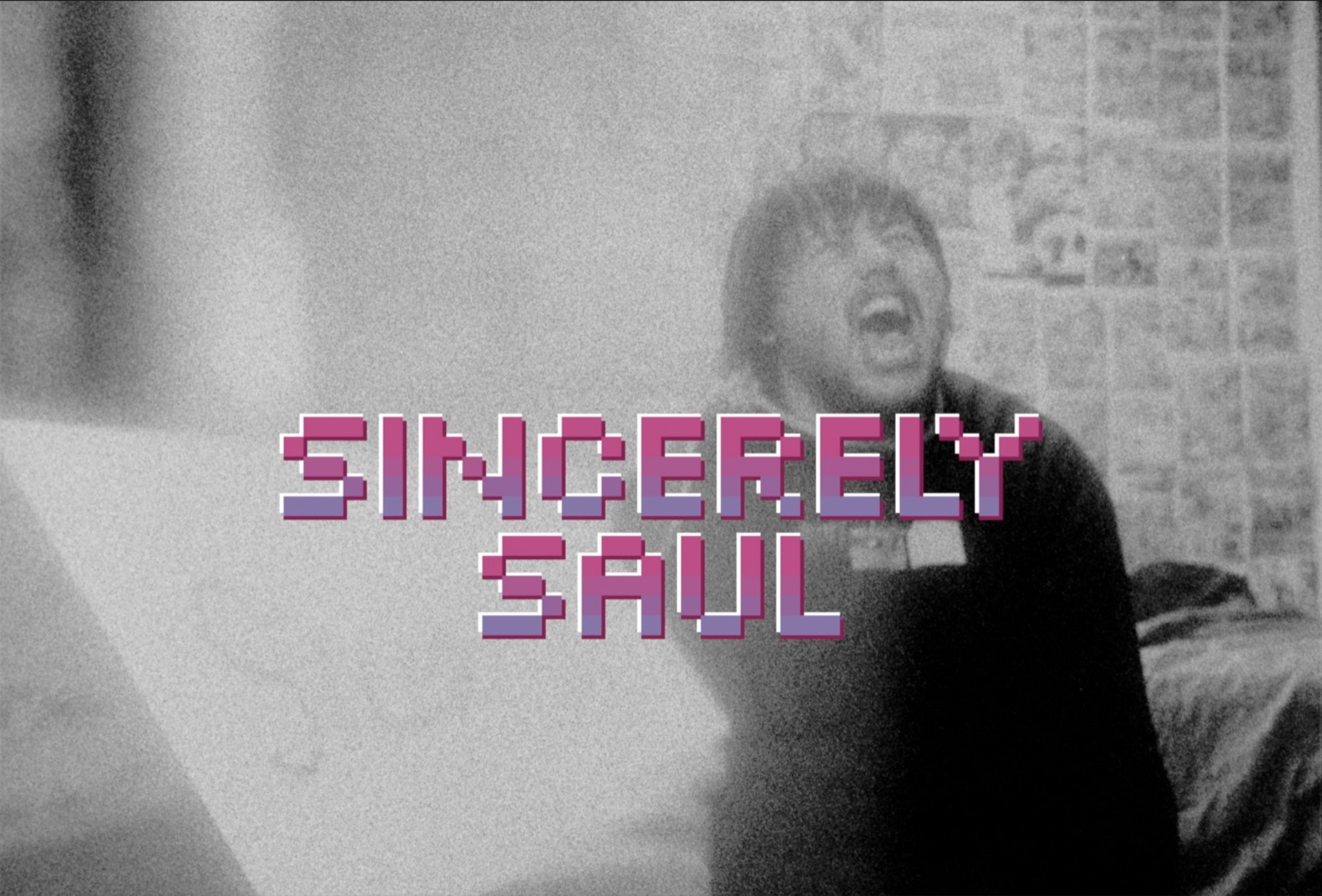
Prepare yourself for a disorienting experience in Ian Tripp’s Sincerely Saul, which follows its troubled protagonist as he vows to lose his virginity before turning 27 — or end his life if he fails.
Shot in oversaturated black and white, this is a strange, offbeat portrait of suburbia, loneliness and fractured souls stumbling through their lives.
Ryan Schafer plays Saul, a deeply frustrated young man whose repeated suicide attempts have worn thin on those around him, especially his bedridden grandmother (Mickey Faerch), wasting away in a kind of domestic purgatory.
The supporting players include Augie Duke, Karl Backus and Randy Davison, all contributing strong performances. Brendan Cahalan, Amber Grayson and Paul Fisher III return from Schafer and Tripp’s earlier found-footage feature Everybody Dies by the End. Together they form a quirky, entertaining ensemble.
The approach to the story isn’t really comedic, though flashes of dark humour break through. It’s often bleak, sometimes surreal — especially toward the end — and leaves behind a bitter aftertaste. The score, built on retro video game tones and motifs, adds a further layer of uneasy dissonance.
Despite its modest budget, Sincerely Saul carries an idiosyncratic style that gives it cult potential. Tripp describes the project as a “labour of love” about finding empathy for figures who can’t muster it for themselves and that ethos anchors the film’s peculiar energy.
Whether it will have broad appeal is doubtful — this is an unorthodox feature — but for viewers drawn to the unusual, it’s a bleak odyssey worth taking. At its core, it’s about misfits wrestling with disillusionment and the weight of unresolved childhood damage.
In the final reckoning, Sincerely Saul offers little comfort or resolution. Instead, it lingers like a bruise, a reminder that life on the margins is rarely kind.
 Bloody Flicks