
By Mark Hockley
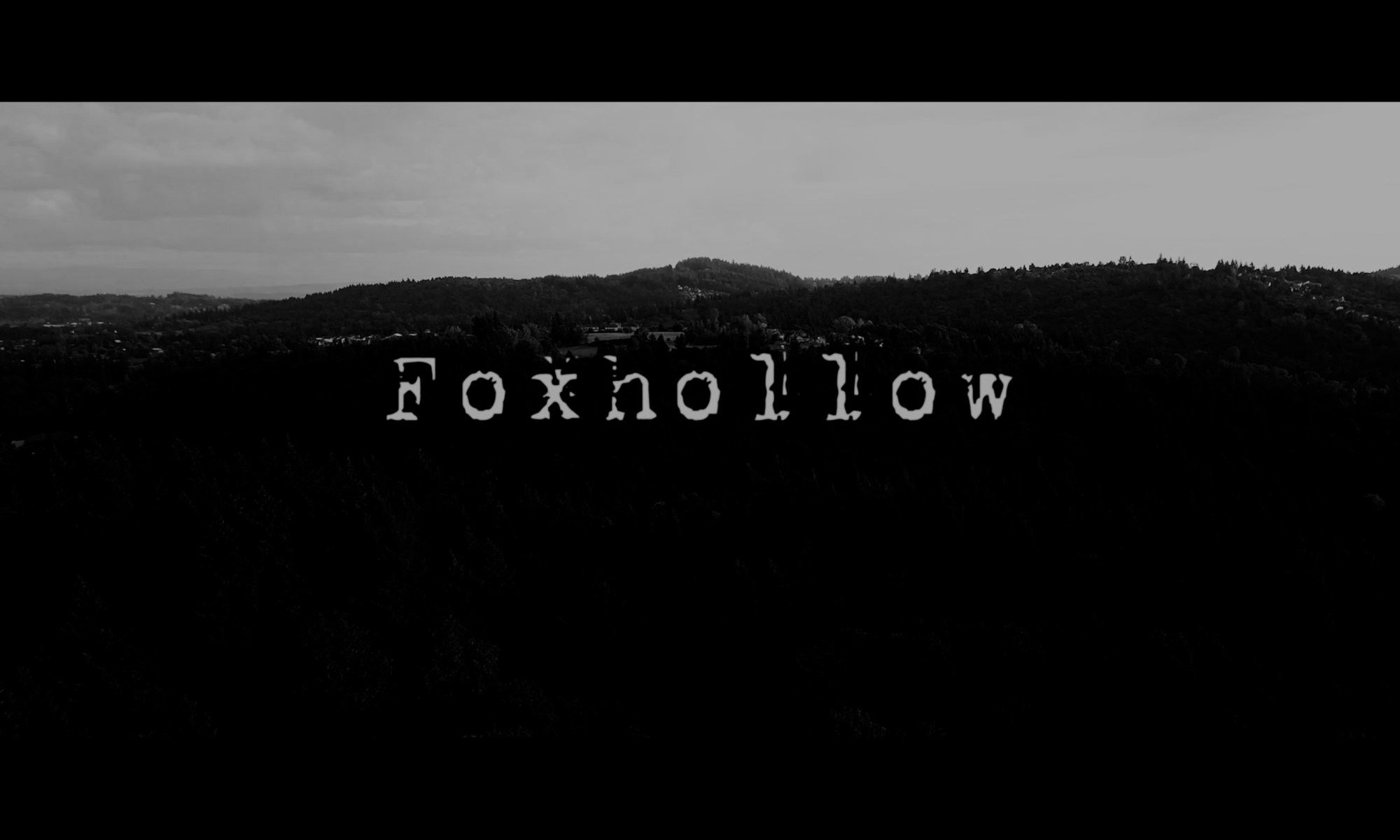
Tom Hughes’ Foxhollow unfolds in the Welsh countryside, where a filmmaker (Hughes) is hired to produce a nature documentary, only to discover his true assignment is to track and film Bigfoot.
In the wake of The Blair Witch Project’s phenomenal success, the found-footage horror subgenre has attracted a steady stream of imitators. Its appeal is clear: with few resources, filmmakers can evoke atmosphere and authenticity without costly sets or effects.
Yet the format comes with significant challenges. To succeed, the result must feel plausible; performances must appear naturalistic rather than staged, or the premise collapses. The line between documentary credibility and mockumentary parody is perilously thin. Compounding matters, the internet is saturated with amateur “lost in the woods” videos, making it increasingly difficult for new projects to establish a believable sense of reality.
Hughes proves a one-man operation, serving as director, star, co-writer, editor and co-producer. According to IMDb, the production was mounted on a budget of roughly £500, which makes its completion a noteworthy accomplishment.
To the film’s credit, the performances—Hughes included—are grounded and convincing enough to sustain the illusion. This is vital for found-footage; once the acting feels contrived, the entire enterprise risks unraveling.
At just 60 minutes in length, the feature includes many of the stylistic hallmarks of the genre: jittery point-of-view camerawork, obscured imagery and sequences shrouded in shadow. Unfortunately, the latter is sometimes overused, with barely visible branches and foliage leaving the audience straining to discern anything of significance.
When Bigfoot finally appears, there’s not much to see, which is understandable on many levels. Budgetary limitations is one. And who would be able to get a well framed shot if a hulking creature was bearing down on them! Co-writer Amy Jones created the creature design, modifying a gorilla suit by repainting, adding long hair and an extended forehead.
Ultimately, Foxhollow is a modest but commendable effort. It avoids the most common missteps of the found-footage genre and demonstrates ingenuity in working within the evident constraints. While it tells a familiar story with conventional techniques, the fact that Hughes and his collaborators have fashioned a competent, small-scale film is worthy of recognition.
 Bloody Flicks