
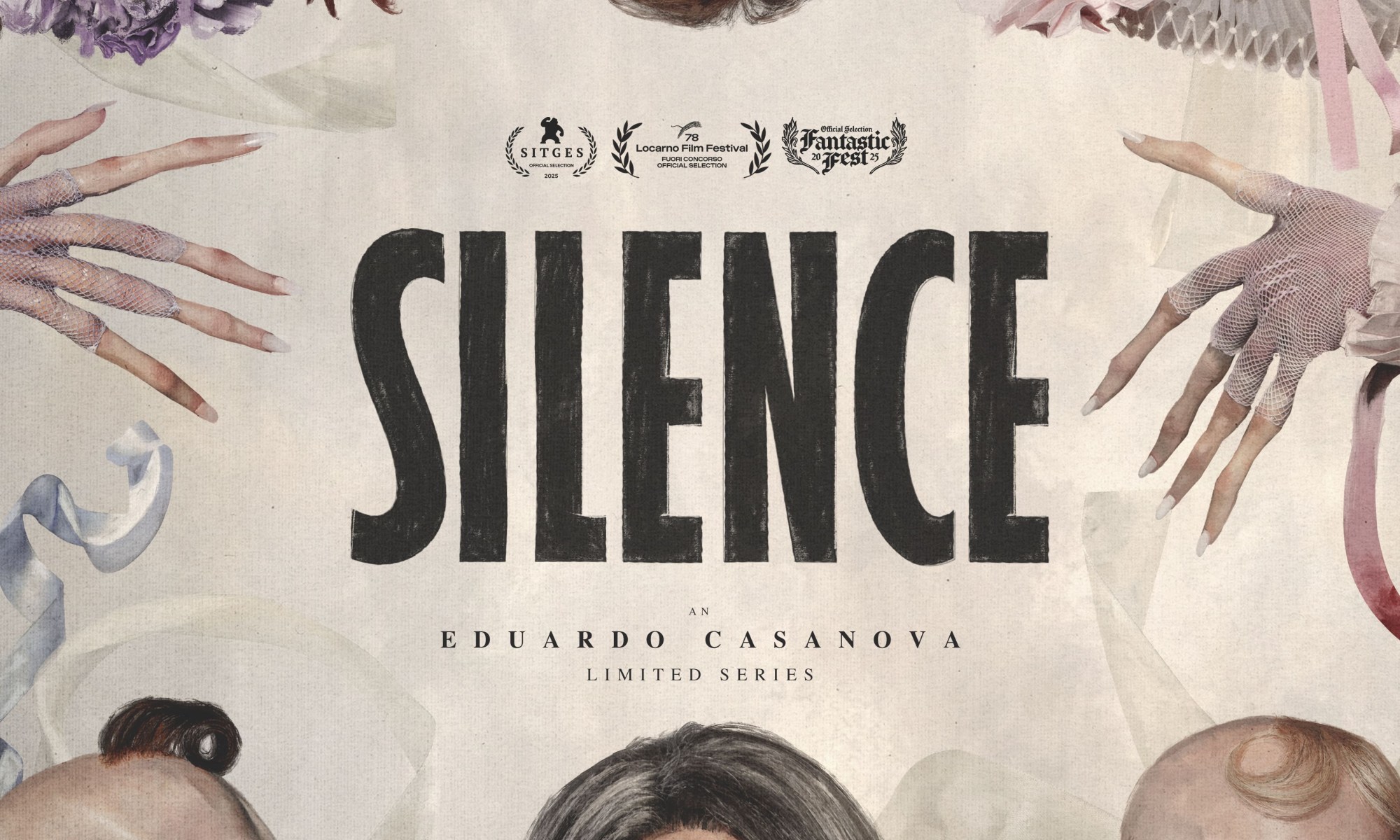

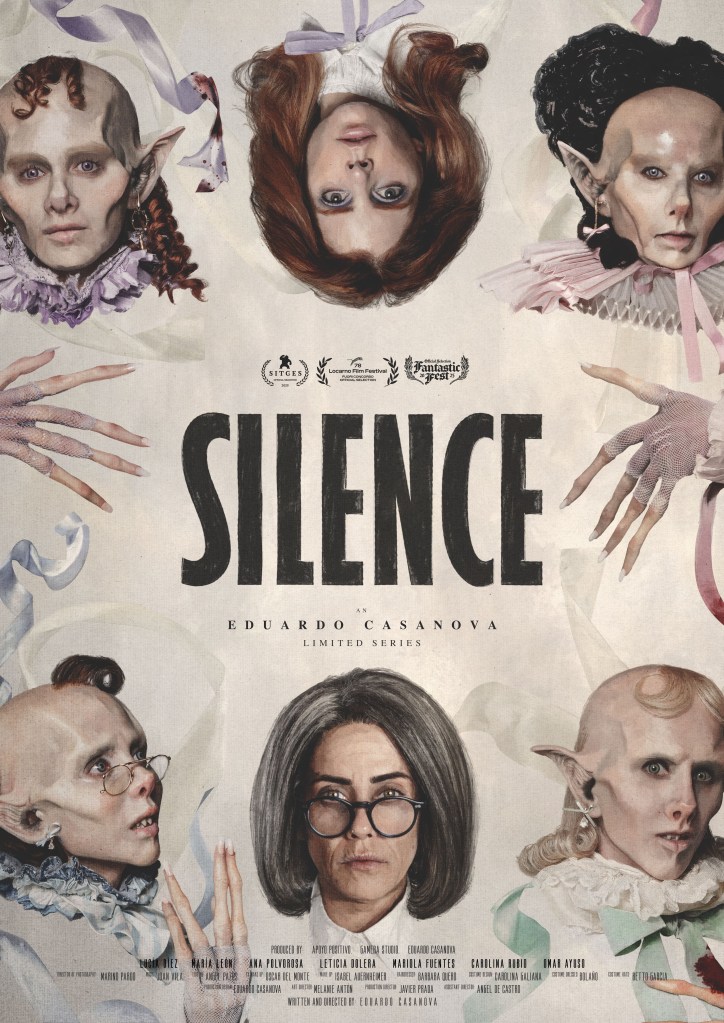
Following its world premiere at Locarno last August 10th, Silence (Silencio), the first series created by director and screenwriter Eduardo Casanova, will next be showcased at the 20th anniversary edition of Fantastic Fest in Austin, Texas, taking place from September 18–25.
Casanova gained international acclaim with La Piedad, which won the Special Jury Prize at the Karlovy Vary International Film Festival and Best Film at Austin’s Fantastic Fest. Now, he returns with Silence, selected this year for the Official Selection at Fantastic Fest.
In plague-ravaged Europe during the Black Death, a group of vampire sisters struggles to survive due to the scarcity of “clean human blood.” But the true poison that haunts them is not the disease, it is the social silence that surrounds them. Centuries later, one of their descendants faces a similar scenario: the AIDS pandemic in Spain. There, she discovers that although time has passed, social condemnation remains just as piercing.
And the love between the “sick” and the “healthy,” between vampires and humans, still provokes the same fear. The series is composed of three episodes that invite viewers to question social norms, freedom, and survival. A tragicomedy that reinvents the vampire myth to explore how silence, around illness, sexual orientation, or identity, can become a poison that destroys not only individuals, but society as a whole.
As a metaphor, vampirism is used to reflect on the stigmatization of HIV/AIDS and its parallels with historical pandemics, exploring themes such as the invisibility of HIV-positive women and the difficulty of loving across social boundaries.
Visually striking and emotionally intense, Silence interweaves two pandemics, the Black Death and the AIDS crisis, to explore themes of queer identity, social stigma, and silence.
The series follows a family of vampire sisters navigating survival, desire, and the social pressures of their respective eras.
Shot entirely on 16 mm and designed as a fully cinematic experience beyond traditional episodic storytelling, Silence represents a new chapter in Casanova’s career: daring, intimate, and unmistakably rooted in his queer auteur voice. Casanova explains: “I’ve always been struck by the way the first AIDS patients were referred to: THE PINK PLAGUE. ‘Silence’ uses the vampire myth as a metaphor to reflect stigmatization and social condemnation across two pandemics: the Black Death and AIDS. Though separated by time, both eras share fear and rejection. By following female vampires who live through both, the series exposes this persistent, shared denominator.”
 Bloody Flicks