

By Terry Sherwood
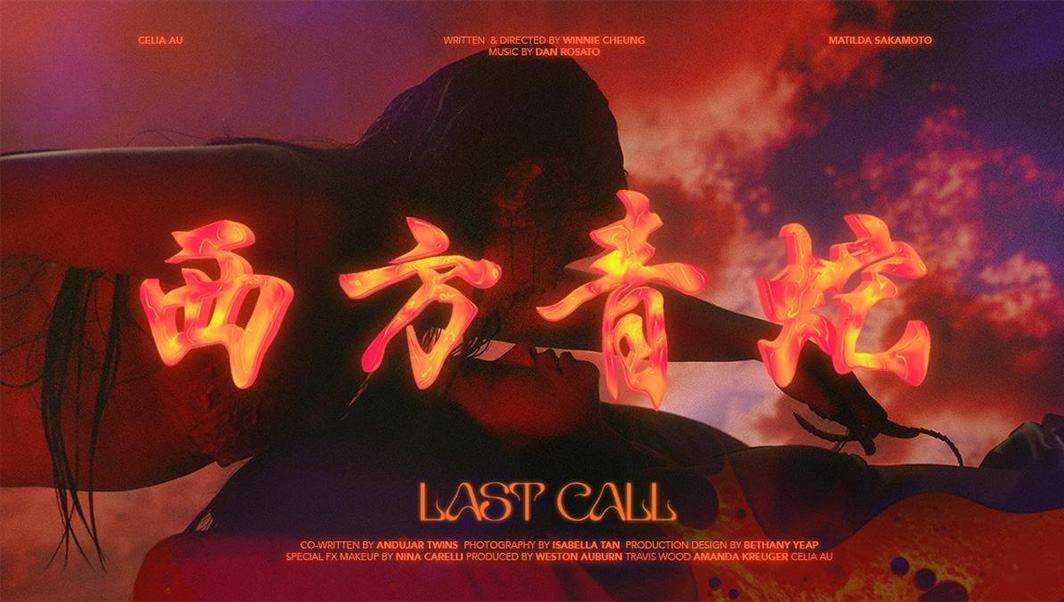
Winnie Cheung’s Last Call is a bold and evocative take on the horror genre, blending elements of body horror, psychological trauma, and cultural identity to craft a unique experience. This short film, described as an “erotic creature feature,” is a potent example of genre cinema exploring personal and societal fears.
At the heart of Last Call is Claudia, a young Chinese woman whose reckless lifestyle—riding motorcycles and indulging in alcohol—serves as a mask for the emptiness within her. Cheung skillfully uses Claudia’s journey as an allegory for the female experience, highlighting the often-invisible struggles women endure. By situating her narrative within the horror framework, Cheung elevates these fears beyond metaphor, making them tangible and visceral, especially the last shot that rivals the final frame of Sleepaway Camp.
One of the film is commitment to a truly feminist horror perspective beyond the usual ‘Final Girl’ motif. Traditionally, horror films have often exploited the female body as an object of violence and voyeurism, but Last Call subverts this by placing Claudia’s trauma, agency, and transformation at the center of the story. Unlike the genre of ‘Female Revenge’ in work like the original I Spit On Your Grave. The creature symbolizes the monstrousness often projected onto women’s bodies and desires. Rather than serving as a victim, Claudia’s evolution within the narrative seems poised to reclaim that monstrousness as power.
Beyond gender, Last Call also interrogates the complexities of immigration and assimilation. As a Hong Kong-born filmmaker who grew up in New York, Cheung weaves her own experiences into Claudia’s struggle to navigate spaces where she is perpetually considered “other.” The horror genre’s ability to externalize internal fears is particularly potent here, as Claudia’s journey becomes one of both physical and existential transformation. The film’s exploration of displacement, both literal and figurative, adds another layer of depth
Cheung’s background in experimental storytelling in Albatross Soup) promises a film that is both visually and emotionally striking. The horror genre’s visceral nature perfectly fits the weighty themes she aims to explore—trauma, identity, and female agency, often the domain of David Cronenberg. Last Call succeeds in fully realizing its vision as a pivotal work in modern feminist horror, standing alongside films like Raw, Ginger Snaps, and The Babadook that redefine what it means to be monstrous without resorting to gun-blasting carnage.
With its blend of personal narrative, genre innovation, and social commentary, Last Call is an essential addition to the growing landscape of horror cinema. Cheung’s dedication to storytelling that reflects real, lived experiences ensures that this film will resonate with audiences looking for something different.
Last Call screened as part of SXSW Film Festival 2025.
 Bloody Flicks