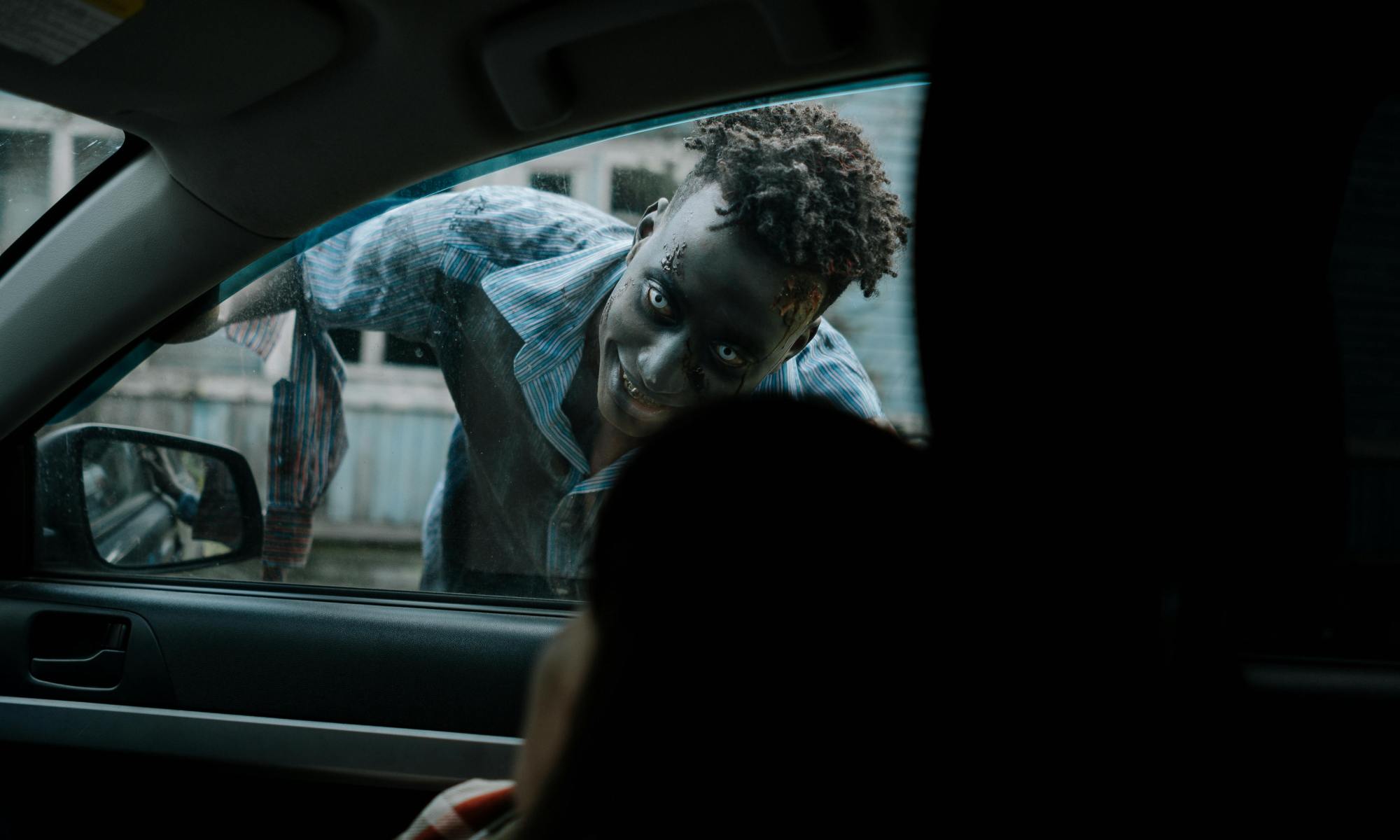

When you look at horror movies, it’s important to understand that there are a range of factors that make them great. This includes acting, storyline, and special effects. With that being said, a lot of newer horror movies are becoming more reliant on jump scares or special effects. Horror movies sometimes follow old blueprints to create new movies, with predictable storylines that people still seem to love. The issue is that by recycling plots and ideas, it becomes harder to keep people engaged, and that’s why movie writers are reliant on the jump-scare factor over creating something well and truly scary.

Good Ideas Take Time
If you want to create a scary horror movie, most of the time you need to tap into a new idea. One example of this would be the movie Smile. It’s a new take on what’s perceivably scary. The director opted not to use CGI, and instead focused on working with the actors to achieve the result he wanted. One thing to note about this movie is that it also did incredibly well at the box office. That being said, good ideas, or at least original ideas, take time to come to fruition.
When you break it down from the formulation of the idea to a workable concept, it’s easy to see how this could be a drag for a production studio. However, taking an existing blueprint that’s already worked for 100 movies – such as a maniac serial killer on the loose – is quick, easy, and cheap. It’s much faster to put the movie into production and casting is a breeze, as there’s already a tried and tested formula.
Horror is Too Reliant on CGI
Another thing to take note of is that horror is now too reliant on things like CGI. People don’t have the attention span to watch a serial killer slowly stalk innocent people for an hour and a half. They want things to be higher octane and have a bigger impact overall. That’s why people use CGI as a way to create horror movies, as well as making them scarier overall. By doing this, however, you take away from the realism of the movie. Nightmare on Elm St and Hellraiser are prime examples of how CGI, when used in moderation, can enhance elements of a story without taking away from the core of what it’s about. When you look at newer Nightmare on Elm Street remakes, however, CGI is overused; it goes too far with certain scenes, and it pulls you away from the experience as opposed to pulling you into it.
CGI has its Place
As mentioned above, horror is too reliant on CGI. With that being said, CGI does have its place. In some movies, it’s the CGI that actually makes it. The Host is an example of a movie that has relatively good CGI, and without its dependence on it, the movie wouldn’t be able to convey the core concept at all. Special effects are also present in a lot of horror-themed games. If you look at slots with spooky graphics, you will notice that when you spin the reel or activate a bonus, the special effects really pull you in. Music and ambient sounds also add to the special effects built into the game, providing an immersive experience that makes horror everything it should be. Many horror RPG games are also highly dependent on CGI and special effects, to create new monsters and ghouls from artistic drawings.
When you break all of this information down, it’s not hard to see that CGI does have its place in horror. Without special effects, horror games would cease to exist, and certain movie concepts couldn’t be explored at all. With that being said, over-reliance on CGI and technology is causing movies to become less scary. Sometimes, it’s the simple concepts that make a horror movie good, such as someone being stalked through a woodland, rather than world-destroying entities from foreign universes. Horror movie creators need to start going back to basics and have to start using CGI as a way to enhance a story, rather than making the story dependent on it.
 Bloody Flicks