


By Jason Kerr
Horror films have a long tradition of people plunged into terror because their own bodies or someone else’s body is out of control.
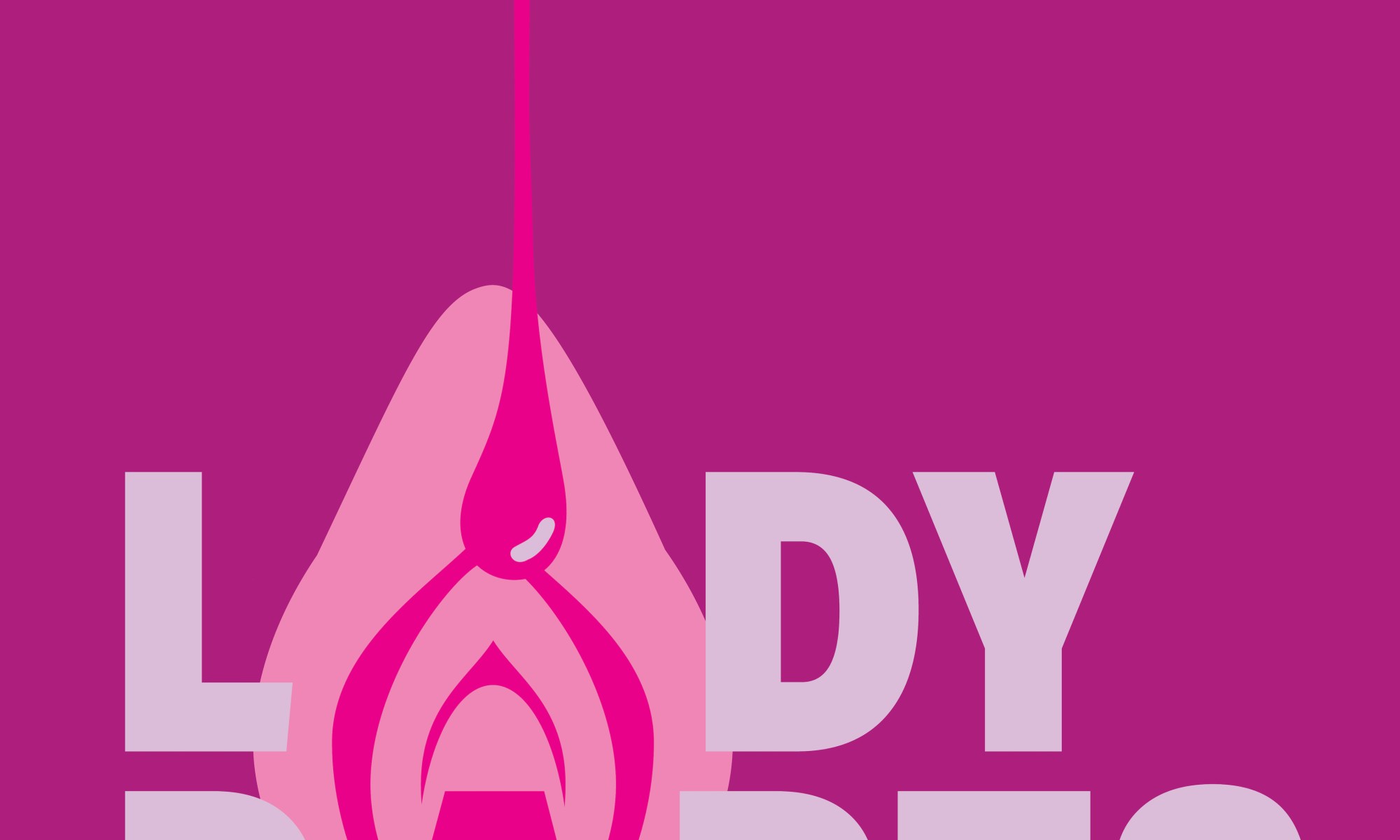
We have seen this in Cronenberg’s films and in films where the main female character becomes the subject of body horror in films like Rabid (1977) and Teeth (2007). In Ariel McCleese’s Lady Parts we see a film that is literally awash with wetness and water, from the fantasy sequences of Iris to the bathroom scene, the illustration of the sea and waves on the bathroom tiles, the storm that is apparent outside and the fight Iris is having with her body as she gets uncontrollably aroused and wet.
Initially Iris sees arousal as a threat, as something she almost dreads, she takes precautions to stem the tide of her desires, but they are all but futile. The film focuses on queer awakening, and we see Iris’s battle with her fantasy sex life versus what can be considered as straight expectations in the form of Ethan. The overpowering fantasies of Iris all but ensure her future and any straight expectations are drowned in this wetscape.
What Ariel McCleese has done is not settle comfortably on that well-trodden path of women in horror being consigned to a grizzly demise or to become fodder for a demented tormentor. What she has done is open a window and shown us a path that goes beyond the current genre expectations and specifics.
Whilst the uncontrollable arousal of Iris determines her future it does not play out like some monstrous force that is dragging her to an uncertain fate, her body confirms the choice that she has been apprehensive about, but willing to make. Iris embraces Ellie, her own body and herself in an intimate final scene that is no longer fantasy.
Lady Parts screened as part of Salem Horror Fest 2024.
 Bloody Flicks