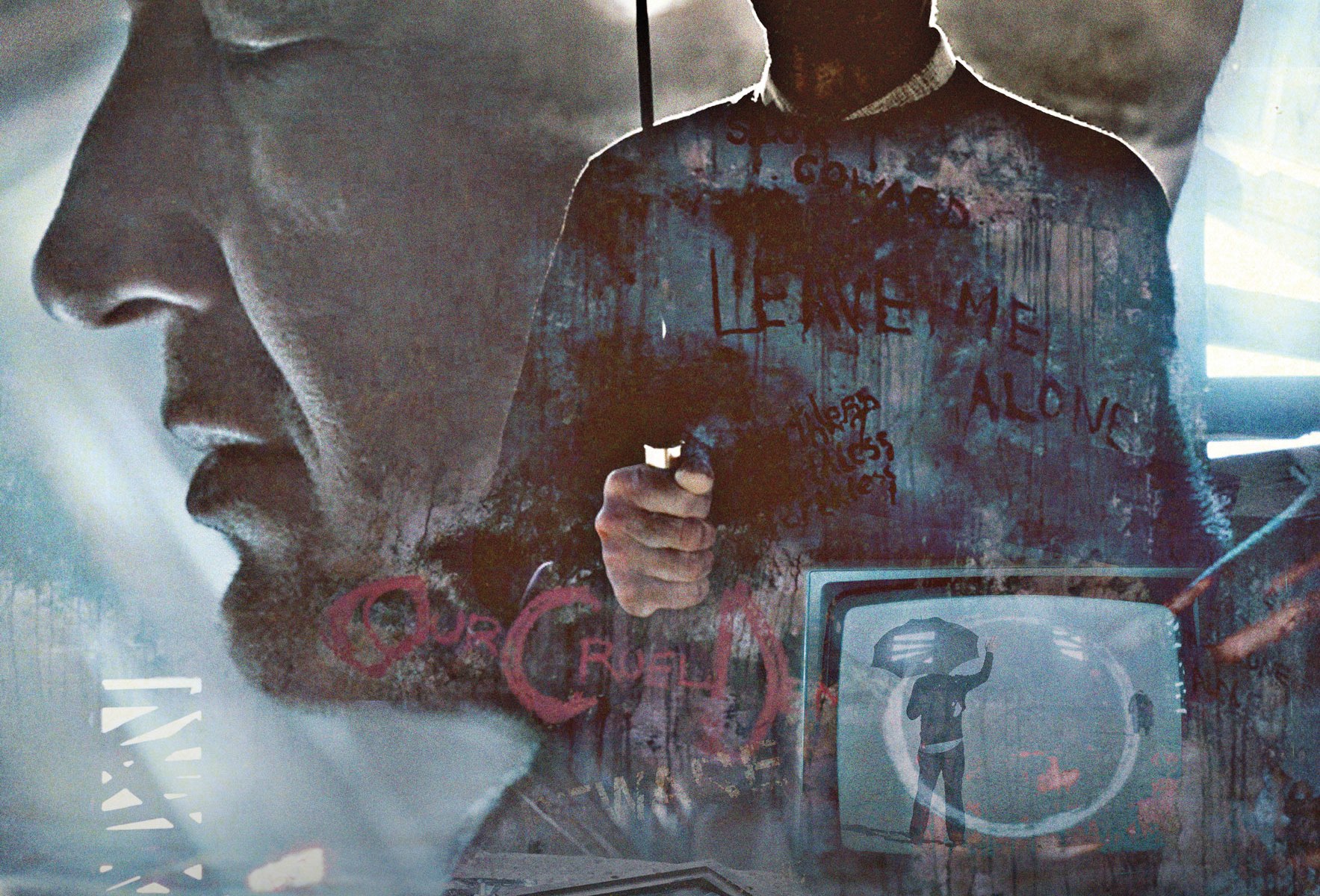

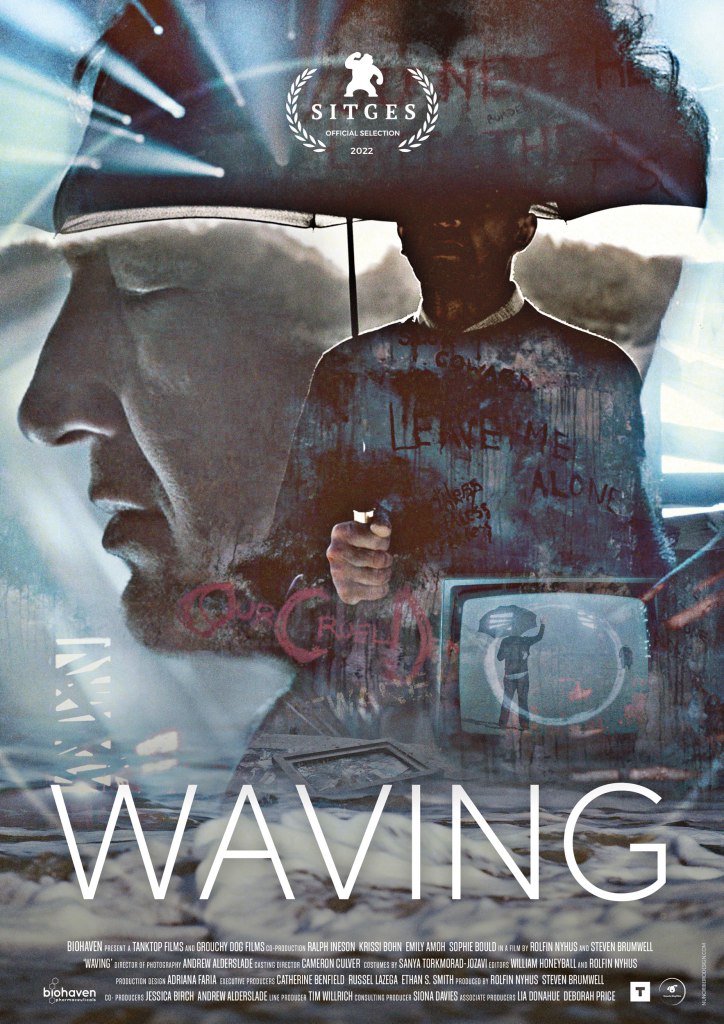
Following its premiere at Sitges Film Festival in October, we got the chance to quiz directors Rolfin Nyhus and Steve Brumwell about the OCD horror short Waving.
Can you tell us where the idea for Waving came from?
Rolfin: Steve, originally. Along with writing his own material he’s always been generous with his time when it comes to supporting other writers. That’s how we met, with him helping me sharpen up my own scribbles. We hit it off and struck up a friendship. Since then we’ve often shared script ideas with each other to move them along. ‘Waving’ was an idea in the mill we liked enough to not leave it languishing on a hard drive.
Steve: I wanted to portray OCD in a way as yet unseen. The internal torture rather than the external compulsions are rarely shown in any form of media. The idea for the dystopian elements is from a love of this genre and a huge passion for exploring ways of showing how intrusive thoughts do make the sufferer feel as though existence is dependent on fulfilling the authoritarian orders of the voice in your head.
Why did you decide on a film about OCD?
Rolfin: I had notions about the true nature of OCD from conversations with Steve over the years, however I decided to make the film purely based on the merit of the writing; the creative ways Steve conveyed and stylised the condition on the page. My read of the first draft was visceral. I fell in love with it. In addition to appreciating how beautifully dark, emotionally honest and courageous the script was, I simply couldn’t stop thinking about how to stage the action. Endless images poured into my head and I found myself enjoying an inordinate amount of time on long walks wondering about the ‘treatment’ of the material. It was a creatively challenging and deeply rewarding process exploring these ideas. It’s a gem of a script and an inspiring creative gift to be entrusted with. It’s also a subject I would fear to step into without Steve being heavily involved in the direction and having the incredible support of our Exec Producers Catherine Benfield, Ethan S. Smith and Russell Lazega who all understand the reality of OCD. I went into this project absolutely convinced of why we should do it creatively, but in hindsight, the more important aspects have become the friendships that have either been made or strengthened with the cast, crew and members of the OCD community as a result of this film. I’m so grateful the process ever saw the light of day.
Steve: It is an often misunderstood and poorly portrayed condition in all media. It also lends itself to dark themes and horror based storylines very well.
How much of a coup was it getting Ralph Ineson as part of the film?
Rolfin: He has formidable craft and discipline which is why the characters he portrays feel so real and intuitive. He’s a world-class artist with so much in his toolbox and without doubt one of the best film actors working today. I could happily watch the guy wait for a bus. Outside of his performance in ‘Waving’, which is spell-binding, he’s just an inspiring person to have on set when you get to see up close how committed and in control of his choices he is. It brings the best out of everyone and makes all the struggles of getting the script into production worthwhile when the frames come to life as well as they have.
Steve: Huge. We wanted him from minute one, his physicality and previous typecasting runs counter to everything you see from him in Waving. His performance is astounding and builds on his incredible work in The VVitch.
Do you find psychological horror more disturbing?
Rolfin: 100%. Look at the way the descent into grief and hysteria is explored in Egger’s The VVitch (Ralph again). It’s great how that film invites the audience into a more complex vicarious engagement with the characters via horror, particularly how their lives are exacerbated due to blind faith and wilful pride of ‘William’ (the father). The film cleverly tells us an archetypal familial story but in a fresh and interesting way, without sacrificing any of the typical emotions horror tends to elicit.
Steve: Infinitely. What is unseen and imagined is far more terrifying than what is seen. The mind is a vast universe in and of itself and we understand so little of its secrets. This enables creators to tap into a rich vein of our deepest fears and darkest thoughts.
What has been the reaction from festivals so far?
Rolfin: We were blown away being selected for Sitges in October 2022 for our World Premiere. I was worried the film might be a bit of an outlier in terms of content and form and therefore hard to program but festivals seem to be taking to it.
Steve: Positive, praising the originality of the presentation of the condition. The production design has also been widely praised and we need to thank Adriana Faria and her team here for bringing out our ideas in such a visceral way.
Are there plans for more screenings in 2023?
Rolfin: Yes, absolutely. There is one confirmed in the US which we’re unfortunately embargoed from mentioning just now. We also have quite a few selection decisions pending so are hopeful about taking it on tour throughout most of next year. People can follow us for updates @wavingfilm on Instagram. The next opportunity to watch the film will be through London Global Lift Off. They’re doing dual online and in-person screenings throughout December 2022 and I believe each ticket is $12 via Lift Off’s Vimeo on Demand page if anyone is keen to see the film (along with the others in our ‘block’) before it goes on public release at the end of 2023:
Steve: I think wherever there is an opportunity then yes of course. The film will hopefully take on a new life beyond the festival circuit. Rolfin and I have plans for new features in the offing as well.
 Bloody Flicks